Egypt and Greece Advance Direct Maritime Links
Bilateral Maritime Integration
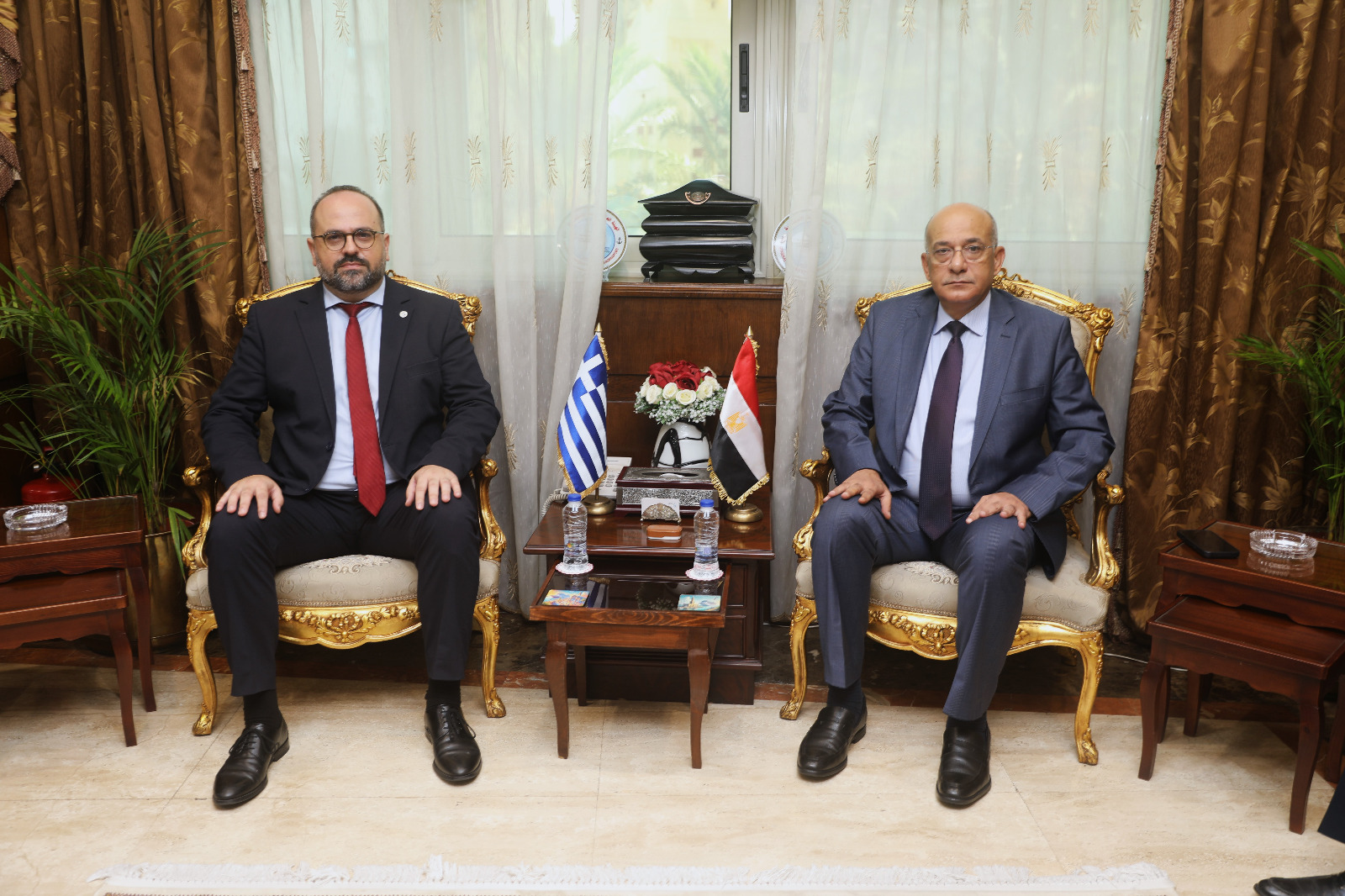
During the third session of the Egyptian-Greek Joint Maritime Committee held on October 5, 2026, the Alexandria Port Authority hosted a high-level delegation from Greece. The talks concluded with an agreement on practical measures aimed at strengthening bilateral maritime cooperation, with a primary focus on establishing structured maritime links between Egyptian and Greek ports.
Operational Impact for Fleet Managers
For technical superintendents and commercial fleet managers, the formalisation of direct links between these key Mediterranean hubs signals potential shifts in regional feeder and short-sea shipping patterns. Enhancing port-to-port connectivity typically involves streamlining customs procedures, harmonising administrative requirements, and potentially updating port infrastructure to handle increased vessel turnaround frequency. Operators should monitor upcoming bilateral protocols regarding port tariffs, berthing priorities, and electronic data interchange standards between Alexandria and Greek counterparts.
Regional Trading Implications
For vessels operating within the Mediterranean, Turkish, and wider southern European trades, closer integration between Egyptian and Greek ports could introduce new routing options and alternative transhipment nodes. Fleet managers trading in this corridor should anticipate potential adjustments to regional scheduling and port rotation strategies as these bilateral measures take effect. Enhanced corridor efficiency may also influence port congestion dynamics and bunker planning for vessels transiting between North African and East Mediterranean terminals.
Practical Takeaway
Technical and operational teams should review vessel clearance documentation requirements and local port agency arrangements for Egyptian and Greek calls to ensure seamless alignment with anticipated administrative standardisations.