Saudi Arabia Explores Formalized Hormuz Shuttle Options in Long-Term Deals
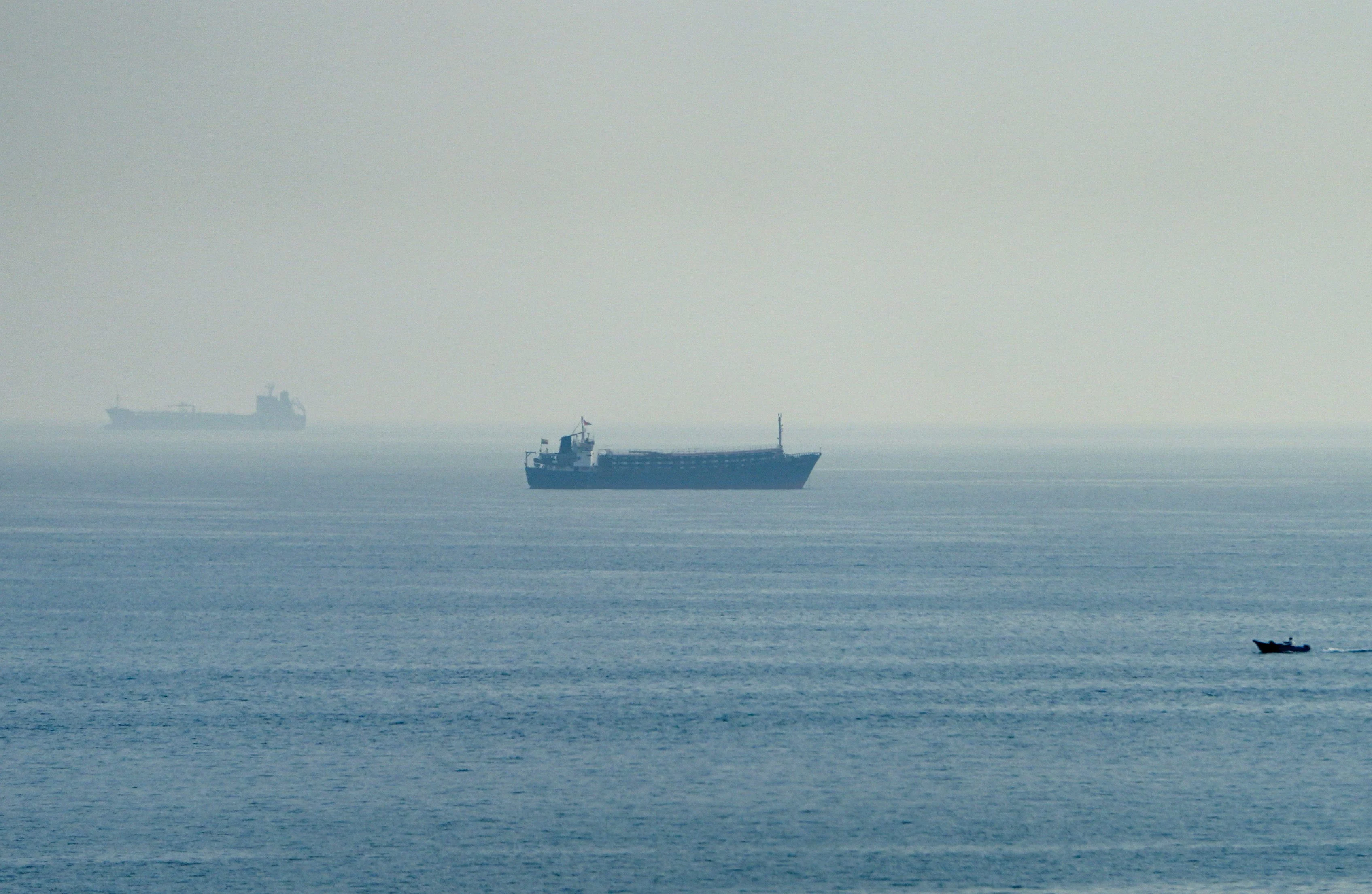
Operational Shifts in Middle East Crude Offtake
Saudi Arabia is engaged in discussions with international customers to incorporate crude oil loadings originating outside the Strait of Hormuz into upcoming long-term contracts. This move formalises an operational workaround strategy that has previously been utilised on an ad-hoc basis, allowing charterers and operators to secure supply volumes while mitigating transit risks associated with the vital Middle Eastern chokepoint.
Impact on Fleet Management and Voyage Planning
For technical superintendents and commercial operators managing crude tankers, a formalised shuttle system alters routing logic, voyage estimations, and contingency planning. Integrating non-Hormuz loading terminals into standard charter parties requires careful verification of terminal compatibility, draft restrictions, and local port infrastructure capabilities. Fleet managers must evaluate whether existing vessel specifications align with the proposed loading configurations, particularly when adjusting scheduled turnaround times and bunker consumption profiles.
Regional Trading Implications
For vessels operating through Middle Eastern export hubs, Red Sea approaches, and onward passages toward Mediterranean and European discharge terminals, changes in loading geography influence regional tonne-mile demand and scheduling density. Masters and designated person ashore (DPAs) monitoring these routes should anticipate adjustments in local traffic patterns around alternative loading facilities. Security assessments and risk mitigation procedures will need revision to account for the altered transit corridors.
Practical Takeaway
Technical superintendents should review upcoming charter commitments to assess whether vessel routing will involve alternative loading terminals, ensuring terminal compatibility and safety management systems are updated accordingly.