ABS and JB Energy Collaborate on Floating Offshore Wind Project in Brazil
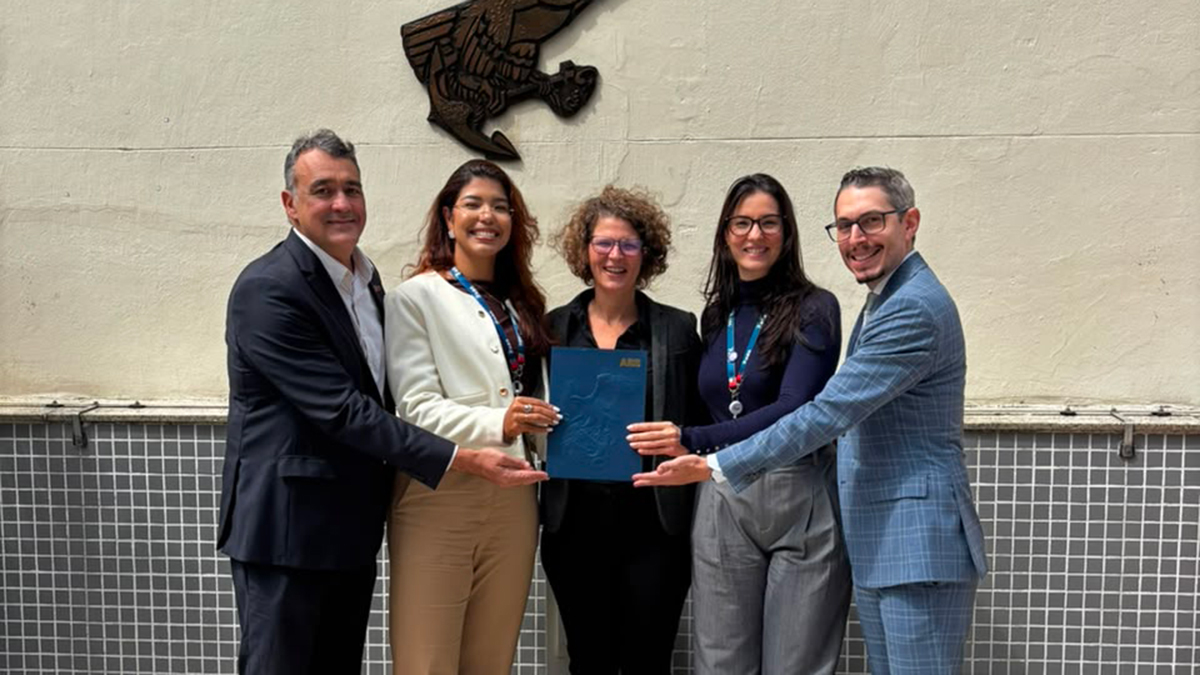
Classification society ABS and energy firm JB Energy have entered into a memorandum of understanding (MOU) to advance strategic studies for the Aura Sul Wind Project. This initiative focuses on a proposed floating offshore wind pilot in Rio Grande do Sul, Brazil.
The collaboration is set to explore two key areas. Firstly, it will address emissions reduction strategies for the Port of Rio Grande, a critical aspect of port operations in the context of evolving environmental regulations. Secondly, the partnership will conduct a preliminary decommissioning strategy for offshore wind infrastructure. While the project is located in Brazil, the underlying principles of emissions management and end-of-life planning for offshore installations hold significant relevance for the global maritime industry.
Implications for Vessel Operators
This development underscores the growing intersection of offshore energy production and maritime operations. For vessel operators, particularly those involved in offshore support, construction, and logistics, understanding the lifecycle of offshore wind farms, from installation to eventual decommissioning, is becoming increasingly important. The focus on emissions reduction at ports is also a direct signal of the pressures facing all maritime stakeholders to decarbonise. As floating wind technology matures, it may lead to new vessel requirements and operational demands.
For operators trading to European, UK, Mediterranean, Turkish, Black Sea, or Middle Eastern ports, this MOU highlights a broader trend. Many of these regions are actively pursuing offshore wind development, which will necessitate specialised maritime support and potentially impact port infrastructure and services. Furthermore, the emphasis on port emissions reduction aligns with initiatives like the EU Emissions Trading System (EU ETS) and the Carbon Intensity Indicator (CII), making such studies relevant to compliance and operational efficiency in these key trading areas.
A practical takeaway for vessel operators is to proactively monitor advancements in offshore wind technology and its associated logistical and environmental requirements. Understanding the lifecycle of these projects, including decommissioning, can inform future fleet planning and investment in specialised assets or training.