Study: Maritime Accident Risk Concentrated in Small Fleet Segment
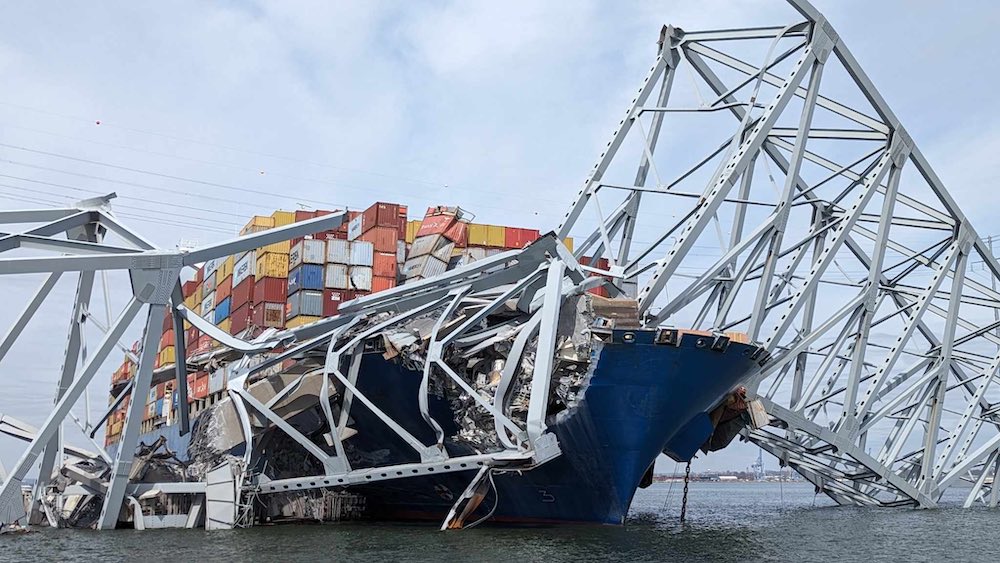
A recent analysis by ShipIn Systems and NorthStandard highlights a significant concentration of maritime accident risk within a limited segment of the global fleet. The study indicates that a small percentage of vessels are involved in a disproportionately large number of reported casualties. Furthermore, the research points to recurring operational patterns as potential early warning signs of heightened risk before an incident occurs.
This finding is of considerable interest to vessel operators, particularly those managing fleets trading in the European, UK, Mediterranean, Turkish, Black Sea, and Middle Eastern regions. These areas are subject to stringent Port State Control (PSC) inspections and varying regulatory frameworks. A concentrated risk profile suggests that operators with vessels exhibiting specific operational deficiencies may face increased scrutiny, potential detentions, and higher insurance premiums. Understanding these risk indicators can inform proactive maintenance, crew training, and operational adjustments to mitigate potential issues.
The implication for technical superintendents and fleet managers is the need for enhanced data analysis and risk assessment. Identifying and addressing the underlying causes of these recurring operational patterns, rather than just the incidents themselves, is crucial. This could involve refining voyage planning, improving bridge resource management, or implementing more robust pre-departure checks. The study suggests that "recurring operational patterns can signal heightened risk before an incident."
For operators, this underscores the importance of a data-driven approach to safety management. Focusing resources on understanding and rectifying the specific operational issues that contribute to this concentrated risk can lead to a more resilient and safer fleet operation.