AI Integration Raises Concerns Over Expertise Erosion in Shipping's Future Workforce
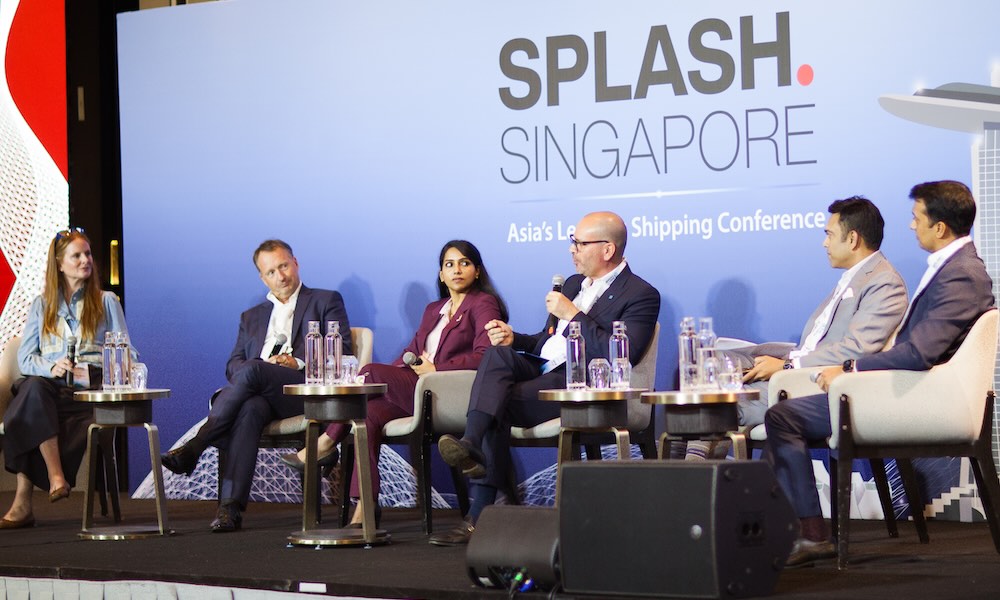
A recent industry panel highlighted growing concerns that the rapid integration of Artificial Intelligence (AI) into shipping operations could inadvertently erode the expertise of the next generation of maritime professionals. The discussion, which featured a range of industry stakeholders, focused on the potential for over-reliance on AI systems to reduce the need for hands-on experience and critical decision-making skills.
The core issue is that as AI takes over more routine tasks and provides automated solutions, seafarers and shore-based personnel may have fewer opportunities to develop the deep understanding and problem-solving capabilities honed through practical application. This could lead to a future workforce that is proficient in operating AI but lacks the foundational knowledge to troubleshoot complex issues or adapt to unforeseen circumstances.
For vessel operators, this trend has significant implications. A workforce lacking in deep expertise could struggle with maintaining vessel safety, efficiency, and compliance, particularly in challenging operational environments. The ability to effectively manage a vessel, respond to emergencies, and ensure adherence to stringent regulations relies heavily on the accumulated knowledge and experience of the crew and management.
Specifically for operators trading within European, UK, Mediterranean, Turkish, Black Sea, or Middle Eastern ports, the impact could be amplified. These regions often face complex regulatory landscapes, including stringent Port State Control (PSC) inspections and evolving environmental mandates like the EU ETS. A less experienced workforce might find it harder to navigate these complexities, potentially leading to increased scrutiny, detentions, or operational disruptions.
One practical takeaway for vessel operators is the need to proactively manage the integration of AI. This involves not just implementing new technologies but also ensuring that training programmes are adapted to foster a balance between AI proficiency and the development of core maritime competencies. Continuous learning, mentorship programmes, and opportunities for hands-on problem-solving will be crucial to maintaining a skilled and adaptable workforce.