AI Used for Intelligence Gathering on US Navy; Implications for Maritime Security
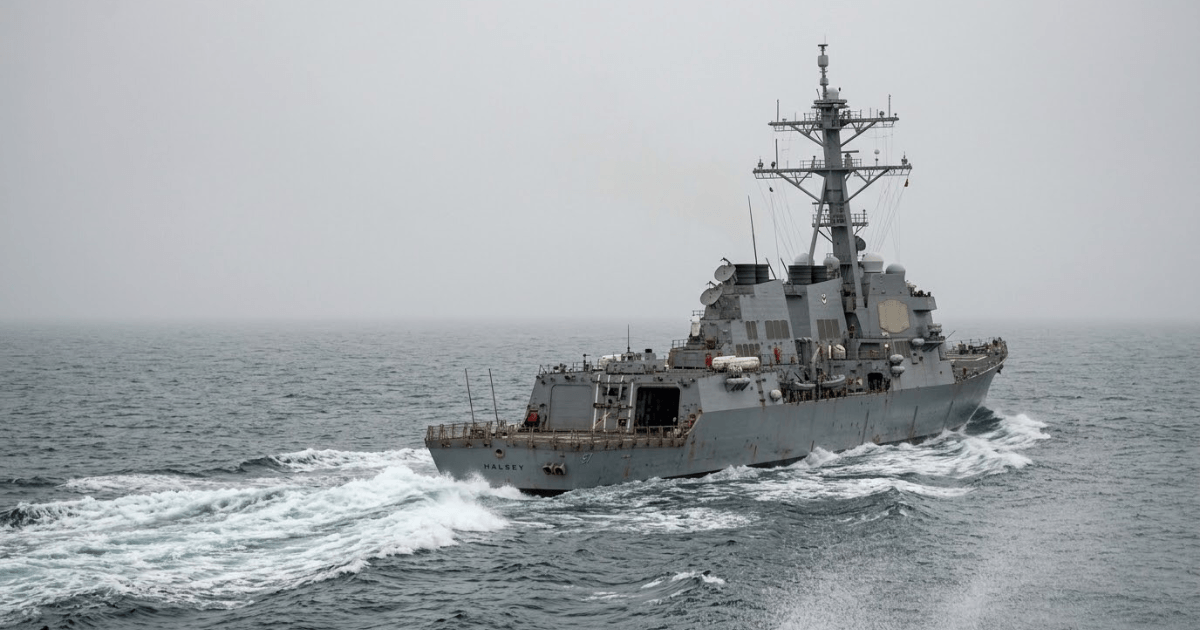
A recent report indicates that an entity linked to Iran has allegedly leveraged an artificial intelligence platform, Claude, to gather intelligence on US naval forces. The AI was reportedly used to compile data on targeting and shipboard vulnerabilities, particularly concerning US naval assets operating in the Middle East.
While this incident directly involves military intelligence, it underscores a growing trend of sophisticated actors exploring advanced technologies for information gathering. For commercial vessel operators, this development serves as a stark reminder of the evolving threat landscape. The potential for AI to be employed in identifying operational patterns, vessel movements, and even potential weaknesses in commercial shipping infrastructure cannot be ignored.
Operational Implications
The use of AI for intelligence purposes, even if initially focused on military targets, can have ripple effects. Information gleaned about naval operations might inadvertently reveal insights into regional maritime traffic, security protocols, or chokepoints that could also be exploited by malicious actors targeting commercial vessels. Furthermore, the sophistication of such attacks could bypass traditional security measures, demanding a reassessment of onboard security protocols and data protection.
For operators trading to European, UK, Mediterranean, Turkish, Black Sea, or Middle Eastern ports, this highlights the need for heightened vigilance. These regions are already subject to complex geopolitical dynamics and varying security environments. The introduction of AI-driven intelligence gathering adds another layer of complexity, potentially influencing risk assessments and operational planning. It suggests that adversaries may possess increasingly advanced methods for identifying and exploiting vulnerabilities within the maritime domain.
A practical takeaway for vessel operators is to review and enhance their cybersecurity measures. This includes protecting vessel data, communication systems, and operational technology from unauthorized access and manipulation. "The threat landscape is evolving rapidly," noted one industry observer.
Key Considerations
- Cybersecurity: Robust cybersecurity protocols are paramount to protect sensitive vessel and operational data.
- Intelligence Gathering: Be aware of the potential for AI to be used for reconnaissance against commercial shipping.
- Regional Risks: Increased awareness of geopolitical factors and emerging threats in key trading areas is essential.
- Information Security: Secure all onboard systems that collect or transmit operational data.