Alaska LNG Project Advances Following $50 Billion Investment
Project Overview and Capital Infusion
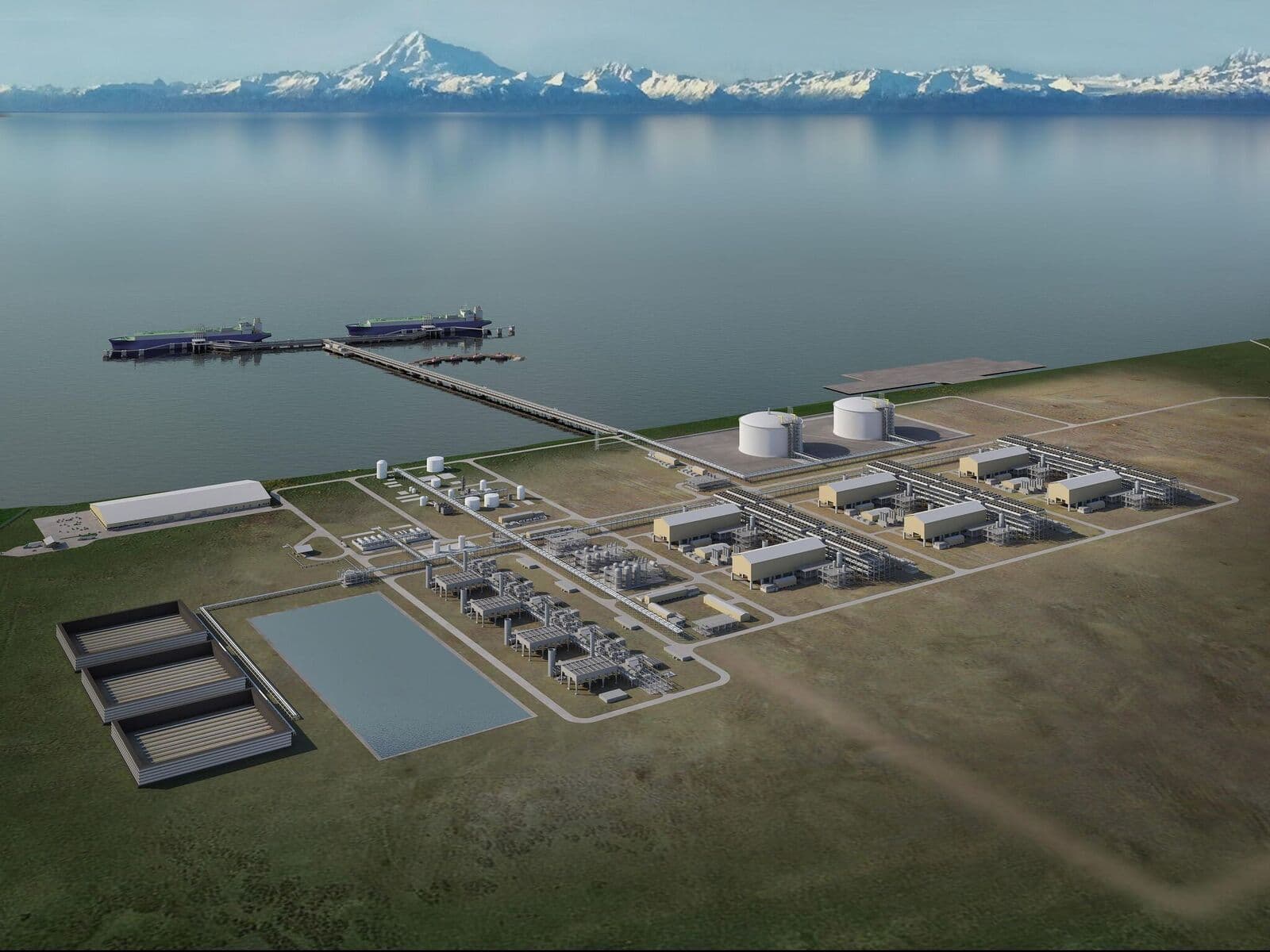
A stalled North American liquefied natural gas development has advanced toward the construction phase following a substantial financial commitment. According to industry reports, a $50 billion capital infusion originating from South Korean investors is driving the Alaska LNG export facility and pipeline project forward.
Operational Impacts for Fleet Management
For technical superintendents and fleet managers overseeing gas carrier tonnage, the progression of large-scale export infrastructure signals upcoming shifts in global energy trade routes and cargo availability. Bringing a major liquefaction plant and associated pipeline online alters long-term deployment strategies for LNG tonnage, potentially increasing demand for modern membrane or Moss-design containment vessels capable of handling Pacific and trans-oceanic export stems.
Regional Trading Implications
European, UK, Mediterranean, Turkish, Black Sea and Middle Eastern operators will observe these developments through the lens of global gas balancing. While this North American export volume primarily targets Asian markets, additional global liquefaction capacity exerts downward pressure on international spot pricing and alters arbitrage economics. Consequently, tonnage currently servicing European import terminals or Middle Eastern export routes may face altered trading patterns as new Atlantic and Pacific basin supplies compete for market share.
Practical Takeaway
Technical managers should monitor the project's construction milestones to anticipate future long-term charter requirements and assess whether fleet specifications align with evolving North American export terminal compatibility standards.