Arctic Shadow Fleet Surge Raises Operational and Safety Concerns
Operational Risks on the Northern Sea Route
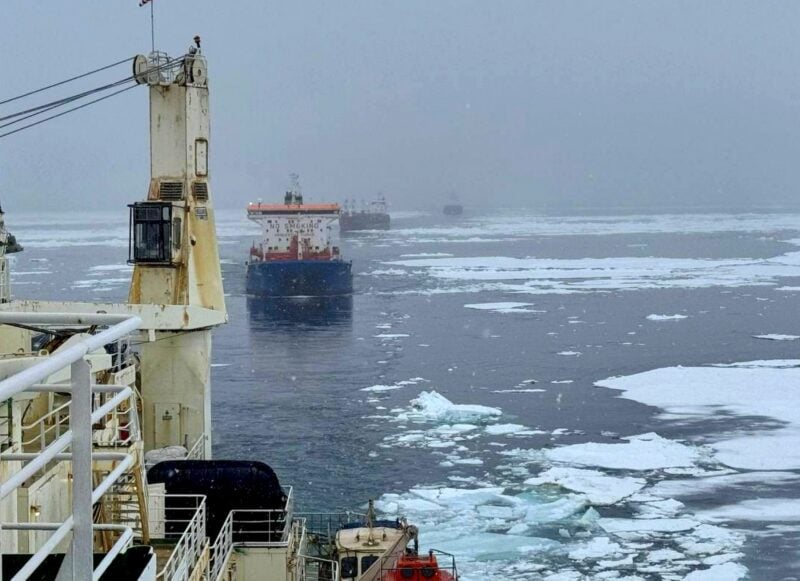
Recent analysis from Bellona’s Environmental Transparency Center indicates a notable increase this summer in uncertified or sanctioned shadow-fleet tonnage transporting Russian crude oil and liquefied natural gas along the Northern Sea Route. This escalation brings heightened exposure to maritime incidents within isolated polar waters, where search-and-rescue infrastructure, heavy ice navigation support, and tiered spill response capabilities remain severely constrained compared to traditional trading corridors.
For technical superintendents and fleet managers, the primary concern centres on the cascading liabilities of operating alongside substandard or uninsured tonnage in high-risk environments. A navigational casualty or propulsion failure involving a shadow-fleet vessel in Arctic waters risks precipitating a catastrophic environmental pollution event. Because many of these units operate outside standard transparency frameworks, identifying responsible parties for salvage, clean-up, and vessel recovery operations presents significant commercial and legal complications.
Regional Implications for European and Adjacent Trades
While this traffic is concentrated in northern latitudes, vessels exiting these Arctic routes frequently transit into European, UK, Mediterranean, and Black Sea waters. Port State Control (PSC) regimes across the Paris MOU and regional authorities are expected to heighten scrutiny on tankers exhibiting ownership obscurities, unusual insurance structures, or histories of operating in ice-bound trades without verifiable class oversight. Fleet operators maintaining compliant standards must anticipate more rigorous documentation checks, expanded verification of structural integrity, and tighter enforcement regarding financial security certificates when calling at regional ports.
"Concerns about the ability to respond to accidents in one of the world’s most remote shipping environments."
Practical Takeaway
Technical managers should brief Masters and navigation officers on enhanced proximity monitoring when sharing trade lanes with sub-standard or opaque tonnage, ensuring rigorous passage planning and verifiable insurance documentation across all fleets.
Regulatory and Insurance Exposures
The proliferation of higher-risk tonnage navigating demanding conditions ultimately impacts broader underwriting markets and flag state policies. As environmental risk profiles increase, maritime administrations may introduce stricter vetting mandates for vessels entering temperate zones after operating in high-latitude, ice-strengthened environments without transparent classification societies.