Asia-US Container Rates Surge Amidst Red Sea Disruptions
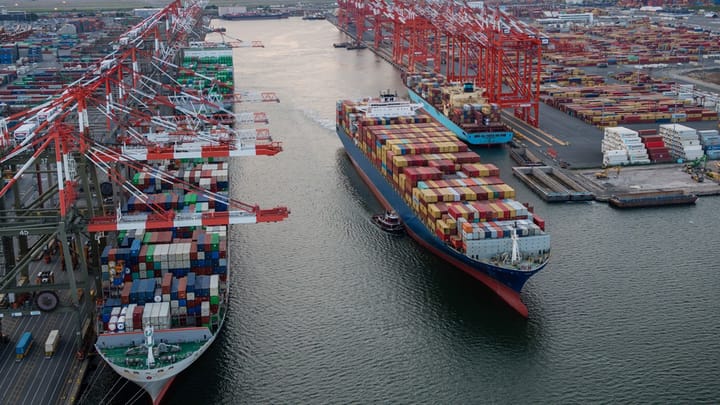
Container shipping rates on the Asia-US trade lane have experienced a significant surge, climbing 325% since the escalation of conflict in the Strait of Hormuz in February. This sharp rise, as reported by Xeneta, brings spot rates perilously close to the record levels seen during the COVID-19 pandemic.
The primary driver for this dramatic increase is the rerouting of vessels away from the Red Sea and Suez Canal due to security concerns. This necessitates longer voyages around the Cape of Good Hope, significantly extending transit times and reducing effective vessel capacity on key trade lanes. The reduced capacity, coupled with sustained demand, inevitably pushes freight rates upwards.
For vessel operators, this situation presents a complex operational and commercial challenge. While higher freight rates can translate to increased revenue for container lines, the extended voyage times impact scheduling, fuel consumption, and crew welfare. For technical superintendents and fleet managers, the longer durations at sea mean increased wear and tear on machinery and a greater need for meticulous maintenance planning. Port agents must also contend with potential schedule disruptions and the need to manage vessel arrivals and departures more dynamically.
Specifically for operators trading to European, UK, Mediterranean, Turkish, Black Sea, or Middle Eastern ports, the impact is multifaceted. While the direct Asia-US route is the most affected, the global container network is interconnected. Diversions and capacity constraints on one major lane can create ripple effects, potentially leading to increased congestion or longer waiting times at ports within these regions as vessels adjust schedules or seek alternative routes. Furthermore, the increased fuel burn on extended voyages adds to operational costs, which may eventually be reflected in broader market pricing.
The situation underscores the fragility of global supply chains and the significant impact geopolitical events can have on maritime logistics. "We don't rule out breaching record Covid levels," a market analyst noted, highlighting the potential for further rate escalation if current conditions persist.
Practical Takeaway: Fleet managers should proactively assess the impact of extended voyage durations on vessel maintenance schedules and fuel budgets, and ensure robust communication channels are maintained with charterers and port authorities to manage potential delays.