Assessing the Market Peak: Asset Valuation and Fleet Strategy
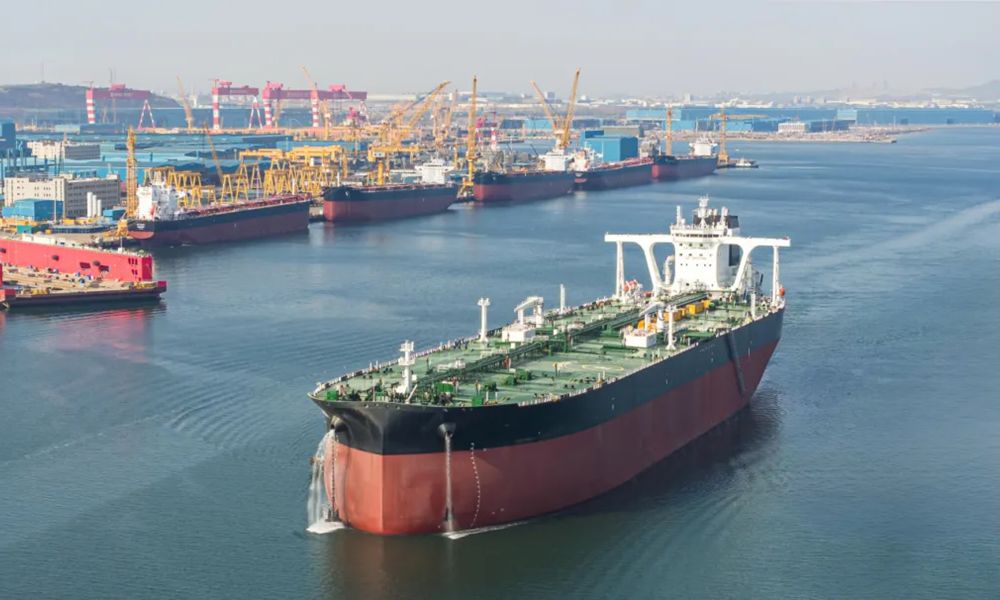
Evaluating Market Peaks and Asset Valuations
Shipping cycles notoriously resist precise timing, with market tops rarely announced clearly. As highlighted by Splash247, debates surrounding whether a peak has arrived typically surface while freight rates continue their upward trajectory. This environment is characterized by asset values defying conventional metrics and shipowners demonstrating robust confidence by continuing to acquire tonnage at historically inflated price points.
For technical superintendents and fleet managers, these market dynamics directly influence capital expenditure, second-hand acquisition strategies, and long-term asset lifecycle planning. High asset values complicate the economics of fleet renewal and mandatory drydock or retrofit investments. When secondhand values disconnect from traditional earnings fundamentals, technical teams face heightened pressure to ensure that older tonnage remains compliant and operational without over-capitalizing on aging assets.
Regional Trading Considerations
For operators deploying vessels across European, UK, Mediterranean, Turkish, Black Sea, and Middle Eastern trades, navigating a potentially peaking market requires careful asset management. Regional compliance burdens—ranging from stringent European Union emissions regulations to strict Port State Control enforcement in the Paris MoU and Mediterranean regions—demand continuous operational expenditure. Vessel operators must balance high asset acquisition costs against the capital required to maintain compliance, manage regional fuel transitions, and mitigate localized logistical bottlenecks.
Practical Takeaway
Technical managers should decouple short-term asset price inflation from routine maintenance budgets, ensuring that vessel upkeep and regulatory compliance remain prioritized independently of speculative market highs.