Battery-First eCSOVs Offer OPEX Savings for Offshore Wind Support Vessels
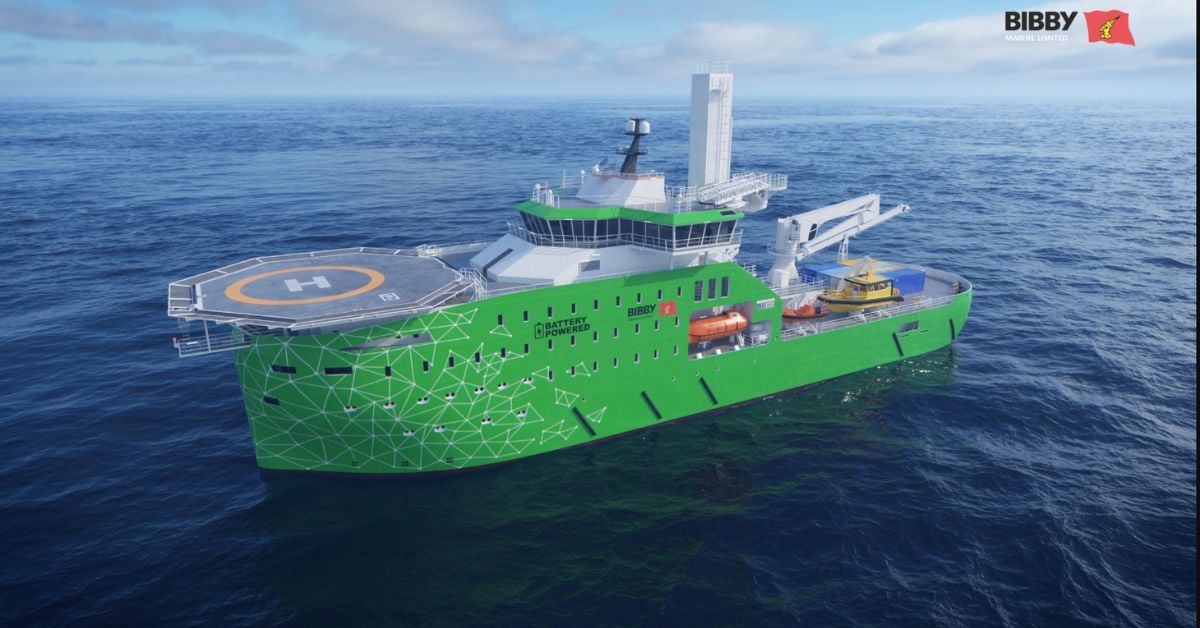
The push for greater efficiency and reduced operational expenditure (OPEX) in the offshore wind sector is driving innovation in vessel design. A "battery-first" approach for Electric Crew Transfer Vessels (eCSOVs) presents a compelling case for immediate cost savings, even before widespread offshore grid infrastructure is in place.
This operational model focuses on running primary generators at their most efficient load points to charge onboard battery systems. The batteries then supply power for vessel operations, allowing generators to be switched off or run at minimal output when not needed for charging. This strategy mitigates the inefficiency associated with diesel engines operating at low loads, a common scenario for vessels with intermittent power demands.
Why it Matters to Vessel Operators
For technical superintendents and fleet managers, this approach directly addresses the challenge of fuel consumption and associated costs. By optimizing generator usage, fuel burn is significantly reduced, leading to lower OPEX. Furthermore, running generators within their optimal efficiency band can extend their service life and reduce maintenance requirements. The ability to operate on battery power for certain periods also offers a pathway towards emissions reduction, aligning with evolving environmental regulations.
Regional Implications
Operators trading to European, UK, Mediterranean, Turkish, Black Sea, or Middle Eastern ports will find this technology particularly relevant. The increasing focus on emissions and operational efficiency within these regions, driven by regulations like the EU Emissions Trading System (ETS) and the Carbon Intensity Indicator (CII), makes such solutions attractive. The potential for reduced bunker costs and enhanced environmental credentials can provide a competitive edge in charter markets and improve compliance with port environmental initiatives.
A practical takeaway for operators considering this technology is to conduct thorough energy audits of their current vessel operations. Understanding the typical load profiles and operational patterns will be crucial in determining the optimal sizing and integration of battery systems and the associated benefits.