Black Sea Grain Exports: Ceasefire Could Revive 80% of Russian Terminal Capacity
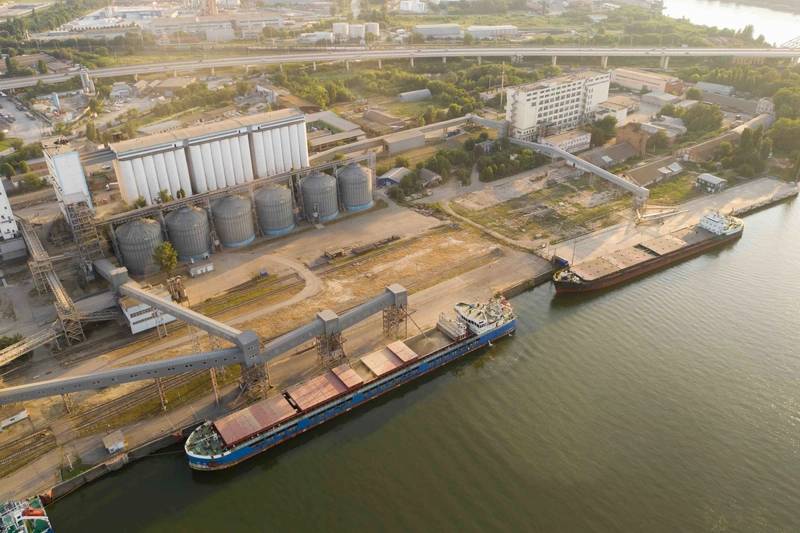
Recent reports suggest that a cessation of hostilities in the Black Sea region could significantly boost Russia's grain export capabilities. Analysis indicates that up to 80% of its grain terminal capacity in the Black Sea and Sea of Azov could become operational again relatively quickly following a ceasefire agreement.
This development holds considerable weight for vessel operators. The resumption of substantial grain exports from Russia would directly influence global commodity markets, potentially stabilising or reducing freight rates for bulk carriers. For those involved in chartering or managing fleets trading in these key maritime zones, a more predictable export environment could simplify logistical planning and reduce exposure to the risks associated with ongoing conflict.
For operators trading to European, UK, Mediterranean, Turkish, Black Sea, or Middle Eastern ports, this news signifies a potential shift in cargo availability and trade patterns. Increased Russian grain exports could lead to greater demand for dry bulk tonnage in these regions, impacting port call schedules and potentially creating new opportunities. Conversely, it might also alter existing supply chains, requiring adjustments in vessel deployment and cargo sourcing strategies.
A key takeaway for technical superintendents and fleet managers is the need to monitor geopolitical developments closely. While the operational aspects of restarting terminals are straightforward, the underlying diplomatic and security conditions remain paramount. "Diplomatic efforts to halt mutual attacks" are the prerequisite for this potential revival.
Practical Takeaway: Fleet managers should factor potential increases in Black Sea grain export volumes into their forward planning for bulk carrier deployment and chartering strategies.