Black Sea Shipping Faces Evolving Threats from Drones and USVs
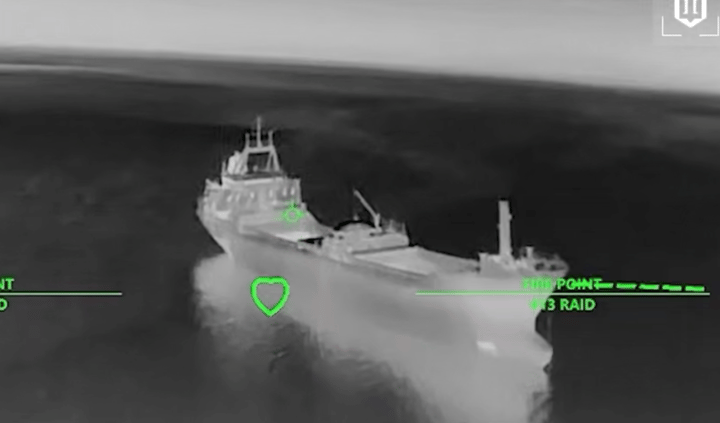
The Joint War Committee's recent expansion of the listed area in the Black Sea underscores the escalating and evolving nature of maritime security risks. While naval mines were a primary concern, the operational landscape has shifted significantly. Commercial vessels are now facing a more dynamic threat from Unmanned Surface Vessels (USVs) and drones, which can be employed for reconnaissance or direct attack.
This transition from static to mobile, often low-profile threats presents new challenges for vessel operators. Traditional mine countermeasures may be less effective against these agile systems. The attacks, which have continued despite the expanded risk area, highlight the persistent danger to shipping and the potential for significant disruption to trade routes.
For vessel operators trading to European, UK, Mediterranean, Turkish, Black Sea, or Middle Eastern ports, this development necessitates a re-evaluation of risk assessments and onboard security protocols. The increased prevalence of drone and USV activity requires enhanced situational awareness, potentially through improved radar and visual surveillance capabilities, as well as robust communication channels with maritime authorities. The unpredictability of these attacks means that standard operating procedures for security may need to be augmented to address these novel threats.
A key takeaway for fleet managers and technical superintendents is the need to integrate intelligence on these evolving threats into voyage planning and crew training. Understanding the tactics, techniques, and procedures of these new asymmetric threats is crucial for maintaining safe passage and protecting assets. "Fatal attacks on shipping continue" serves as a stark reminder of the ongoing risks.