Bremerhaven Port Expansion Approved for NATO Logistics Hub
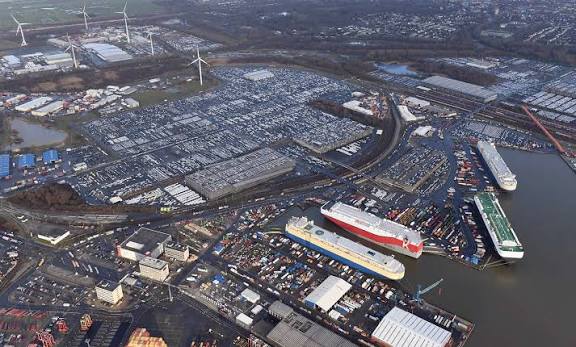
The Bremen Senate has greenlit a substantial €1.35 billion investment to transform Bremerhaven's Überseehafen into a central logistics hub for NATO military operations. This significant funding package underscores Germany's commitment to bolstering its defence infrastructure, with a direct implication for maritime logistics in the region.
The expansion aims to enhance the port's capacity and capabilities to support the rapid deployment of military assets. For vessel operators, this development signals a potential shift in port traffic patterns and priorities, particularly for those engaged in commercial shipping that may interact with or be affected by military movements.
Strategic Implications for Operators
For operators trading within or calling at European, UK, Mediterranean, Turkish, Black Sea, or Middle Eastern ports, the Bremerhaven development highlights an increasing integration of defence needs with commercial port infrastructure. While not directly impacting routine commercial operations, such strategic investments can lead to enhanced port efficiency and potentially influence the availability of berths or services during periods of heightened military activity. It also points to a broader trend of increased defence spending and its intersection with maritime trade routes.
A practical takeaway for fleet managers and technical superintendents is the need to stay informed about potential operational changes at major European ports. Understanding how defence logistics might influence port access, security protocols, or even scheduling could prove beneficial in navigating future port calls. "Germany accelerates defence-related port spending," noted the summary, indicating a forward-looking strategy.
This development may also influence future port development plans across the continent, as other nations potentially consider similar dual-use infrastructure projects. Operators should monitor these trends to anticipate evolving port landscapes.