Inland Grounding of Cargo Vessel Carrying Mercedes-Benz Vans in Dusseldorf
Incident Overview and Operational Context
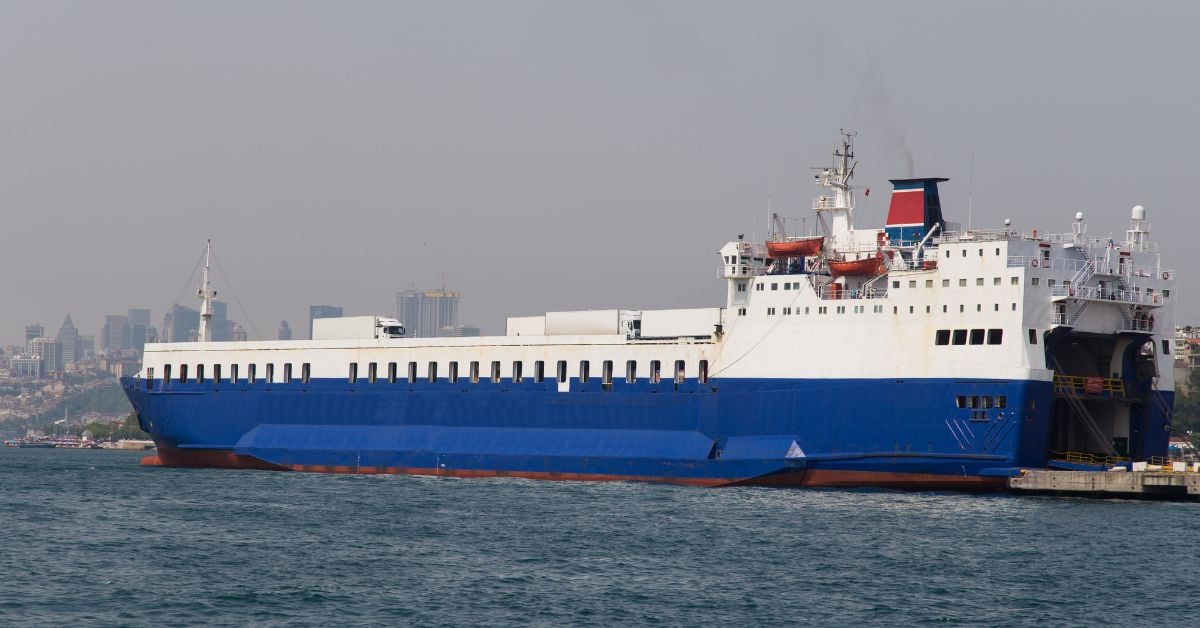
A cargo vessel carrying finished automotive units, specifically Mercedes-Benz vans bound for the Port of Rotterdam, has grounded within the harbour limits of Düsseldorf. While details regarding hull breaches, pollution, or salvage operations remain limited from initial reports, inland waterway groundings of high-value cargo carriers present immediate logistical disruptions and potential structural verification challenges for fleet managers.
For technical superintendents and Designated Persons Ashore (DPAs), incidents involving fully loaded general or specialized cargo vessels underscore the critical necessity of continuous passage planning and real-time bathymetric awareness, particularly within heavily trafficked European inland waterways and connected river-sea interfaces. Groundings frequently trigger mandatory class surveys, bottom inspections, and potential offloading operations to restore stability and draft integrity before clearance for onward transit is granted.
Regional Trading Implications
Operating across European waterways, the Rhine corridor, and connecting UK, Mediterranean, or Black Sea short-sea networks demands strict adherence to local river police regulations, pilotage guidelines, and dynamic water level monitoring. Inland and near-coastal infrastructure constraints in Europe and surrounding regions mean that a single grounding event can rapidly induce berth congestion, disrupt multimodal supply chains, and invite heightened scrutiny from local port authorities regarding safety management systems and navigational compliance.
Practical Takeaway
Fleet operators trading in confined waterways must verify that bridge teams and masters maintain rigorous under-keel clearance (UKC) protocols and real-time river depth telemetry to prevent avoidable groundings and subsequent class intervention delays.