ClassNK Approves 42,000 m³ LCO₂ Carrier Design for CCS Projects
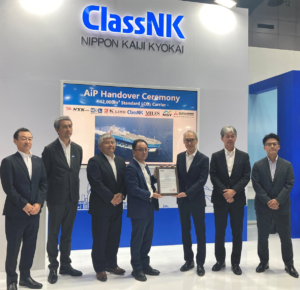
ClassNK has issued an Approval in Principle (AiP) for a 42,000 m³ liquefied CO₂ (LCO₂) carrier design. This significant development, a collaboration between six Japanese maritime entities including "K" LINE, MOL, NYK Line, and Mitsubishi Shipbuilding, underscores the growing industry focus on enabling Carbon Capture and Storage (CCS) projects.
The design aims to facilitate the transportation of captured CO₂ from industrial sources to storage sites, a critical step in decarbonisation strategies. The approval, presented at Gastech 2026, indicates that the fundamental design concepts meet the rigorous standards set by ClassNK for this specialised vessel type.
Implications for Vessel Operators
For fleet managers and technical superintendents, this approval represents a tangible step towards the operationalisation of large-scale CO₂ transport. As CCS infrastructure develops, demand for purpose-built LCO₂ carriers is expected to rise. Operators involved in or considering future involvement in CCS value chains will need to understand the technical requirements and operational considerations for such vessels. This includes familiarisation with the specific cargo handling systems, tank designs, and safety protocols associated with transporting liquefied CO₂ at cryogenic temperatures.
Regional Relevance
Operators trading to European, UK, Mediterranean, Turkish, Black Sea, or Middle Eastern ports should note this development. These regions are actively pursuing decarbonisation targets, with many industrial clusters and emerging CCS projects. The availability of larger LCO₂ carriers could influence the economics and feasibility of CO₂ off-take and transport from these areas, potentially impacting future chartering strategies and infrastructure development plans. The design's approval suggests that the regulatory and classification frameworks are evolving to support this new class of vessel, which will be crucial for meeting future environmental regulations and industry commitments.
Practical Takeaway: Begin assessing the potential integration of LCO₂ transport into your fleet strategy, considering the evolving regulatory landscape and the growing demand for CCS enablers.