Container Newbuilding Surge Creates Future Capacity Overhang
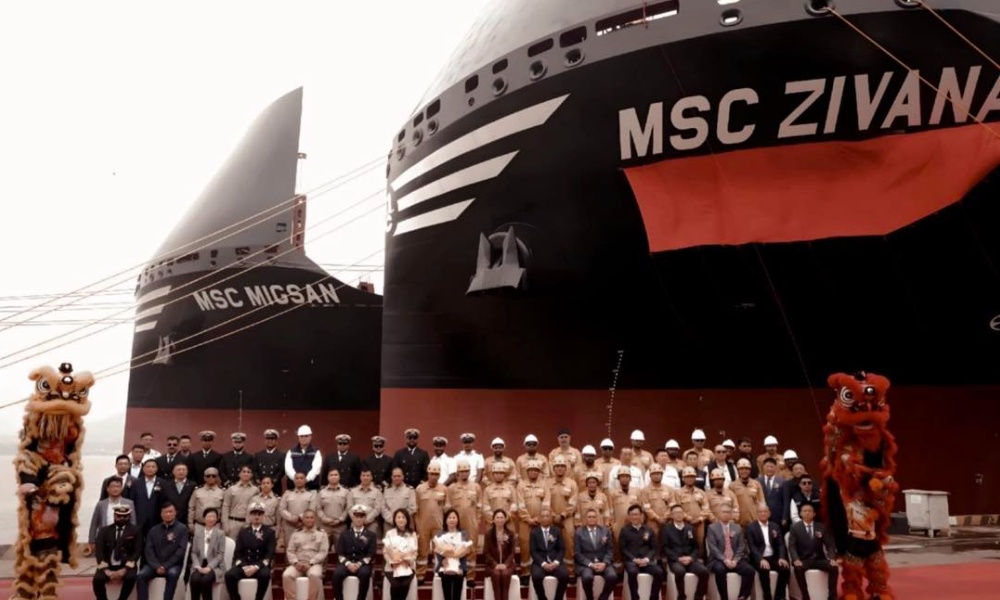
The container shipping sector is facing a significant capacity challenge, with several carriers now possessing orderbooks larger than their current fleets. This trend, highlighted by industry analyst Lars Jensen, signals a potential oversupply of tonnage in the coming years.
For vessel operators, this situation has several implications. A substantial influx of new vessels could depress charter rates and freight markets, impacting profitability. Furthermore, the pressure to deploy these new ships might lead to increased competition for cargo and potentially influence operational decisions regarding vessel speed and deployment strategies. Fleet managers will need to carefully assess market forecasts and their own fleet renewal plans in light of this projected capacity expansion.
Operators trading to European, UK, Mediterranean, Turkish, Black Sea, or Middle Eastern ports should anticipate intensified competition. The increased availability of vessels could lead to more aggressive pricing from carriers seeking to fill their expanded fleets. This might also affect port congestion dynamics, as more vessels vie for berth space and handling services. Furthermore, the environmental regulations applicable in these regions, such as the EU ETS and upcoming FuelEU Maritime, will become even more critical as older, less efficient tonnage potentially faces greater pressure to be retired or redeployed.
A practical takeaway for technical superintendents and fleet managers is the need for rigorous fleet optimisation. This includes evaluating the efficiency of existing vessels, planning for potential lay-ups or early retirements of older units, and closely monitoring the delivery schedules of newbuildings across the industry. Proactive planning will be essential to navigate the anticipated market shifts.