EU Ports Strategy: Parliament Study Affirms Goals, Cautions on Implementation
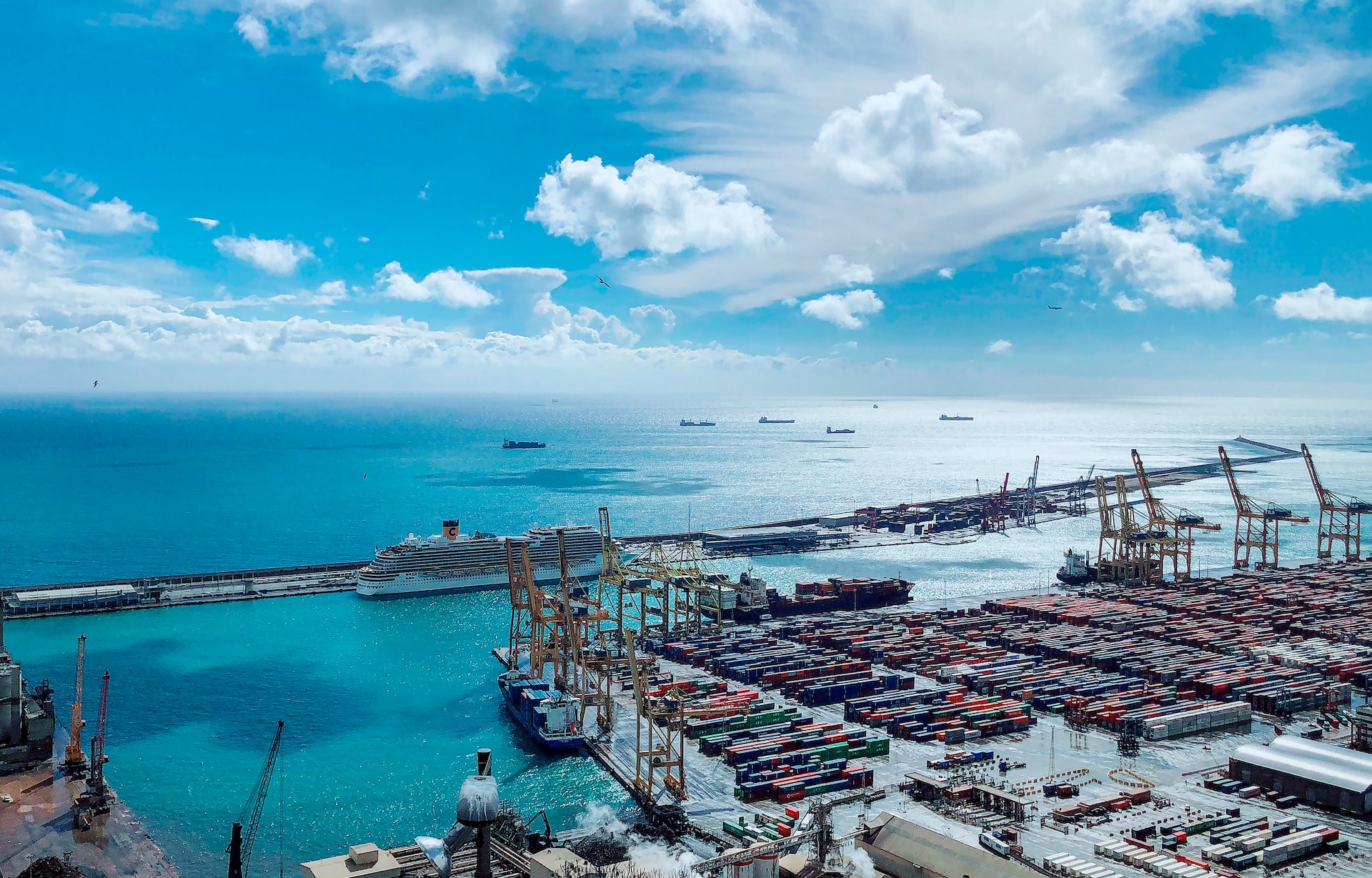
A recent study commissioned by the European Parliament's Transport and Tourism (TRAN) committee has provided a positive assessment of the European Commission's EU Ports Strategy. The report concludes that the strategy is both timely and relevant, aligning well with existing evidence and industry needs.
However, the study places significant emphasis on the critical challenge of implementation. It highlights that the strategy's success will ultimately hinge on its ability to be put into practice in a proportionate and consistent manner across member states. This focus on execution underscores the need for practical application rather than just policy formulation.
Implications for Vessel Operators
For vessel operators trading within the European, UK, Mediterranean, Turkish, Black Sea, and Middle Eastern regions, this development signals a renewed focus on port efficiency and regulatory alignment. While the strategy aims to streamline operations and enhance competitiveness, its effectiveness will depend on how port authorities and national administrations translate its objectives into tangible actions. Operators can anticipate a period where the practical application of the strategy is closely scrutinised, potentially leading to updated procedures or a more harmonised approach to port calls. The emphasis on consistent delivery means that deviations in how the strategy is applied across different ports could become a point of operational friction.
The Path Forward
The study's findings suggest that while the strategic direction is sound, the real test lies in the operationalisation of these goals. Technical superintendents and fleet managers should monitor how individual ports and national bodies adapt their practices to align with the strategy's tenets. A key takeaway is the imperative for clear communication and collaboration between the European institutions, national governments, and the maritime industry to ensure that the strategy translates into tangible benefits for port users, such as reduced bureaucracy and improved logistical flows.