EU Admits Insufficient Warships for Red Sea Convoy Demand
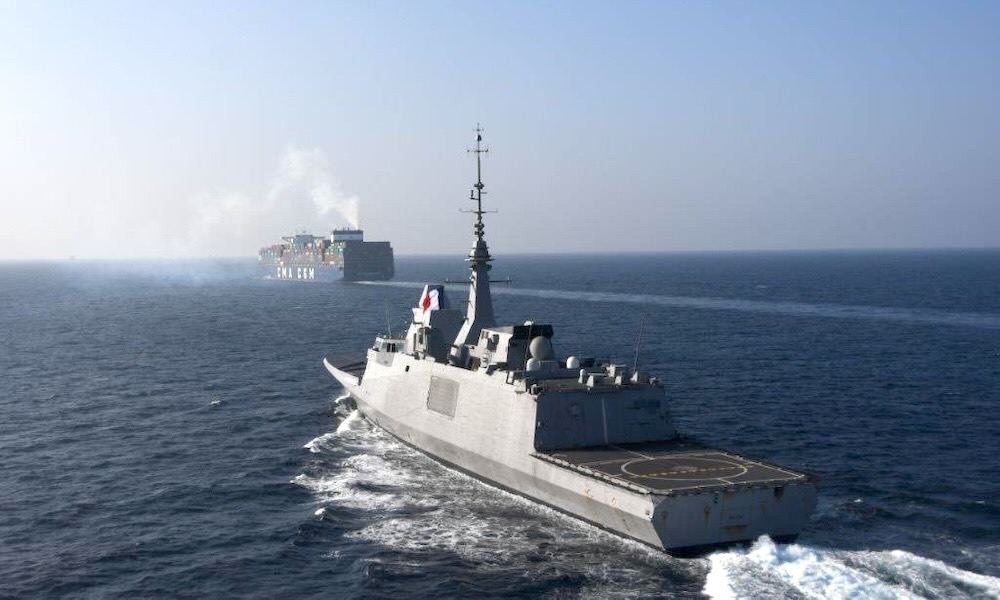
The European Union's naval mission in the Red Sea, Operation Aspides, is struggling to meet the escalating demand for merchant vessel escorts. EU foreign policy chief Kaja Kallas acknowledged that the current number of participating warships is insufficient to cover all requests for protection through the increasingly volatile southern Red Sea.
This admission highlights a significant operational challenge for maritime security in a critical global trade artery. The shortfall in escort capacity means merchant vessels may face extended waiting times for naval protection, potentially leading to delays and increased operational costs. The situation underscores the complexity of providing consistent security for commercial shipping amidst geopolitical tensions.
For operators trading to European, UK, Mediterranean, Turkish, Black Sea, or Middle Eastern ports, this development has direct implications. Vessels transiting the Red Sea en route to or from these regions, particularly those utilizing the Suez Canal, could experience unpredictable delays. This may necessitate adjustments to voyage planning, potentially impacting schedules for cargo delivery and subsequent port calls within these areas. Furthermore, the strain on naval resources could influence risk assessments and insurance premiums for voyages through this corridor.
A practical takeaway for vessel operators is the urgent need to enhance proactive risk management and contingency planning. This includes closely monitoring the evolving security situation, maintaining open communication channels with charterers and authorities, and exploring alternative routing options where feasible, despite their own inherent risks and costs. The situation demands a heightened awareness of potential disruptions to transit times and the associated commercial consequences.