Geopolitical Shifts Force Shipping Trade Route Realignments
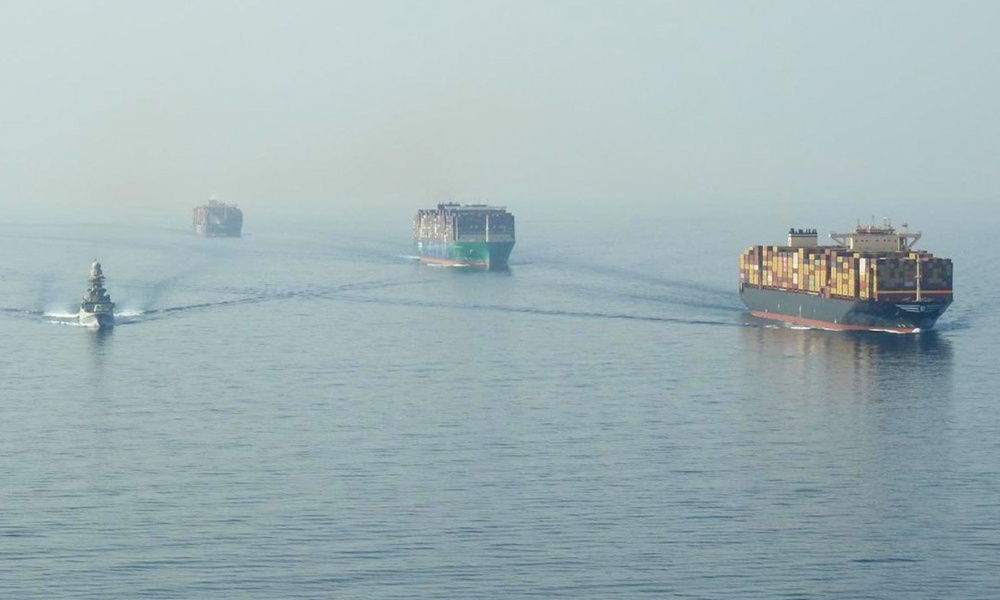
Recent geopolitical tensions and conflicts have underscored the maritime industry's inherent adaptability, with the primary response to disruptions being the rerouting of vessels. This strategic pivot, while a testament to the industry's resilience, introduces a cascade of operational considerations for vessel operators.
When traditional chokepoints become volatile or inaccessible, the instinct is to seek alternative passages. This often translates to longer transit times, increased fuel consumption, and potentially higher operational costs. For technical superintendents and fleet managers, this necessitates a thorough re-evaluation of voyage planning, bunker procurement strategies, and vessel scheduling to mitigate these impacts. Furthermore, the need to navigate these altered routes may require updated risk assessments and contingency plans.
For operators trading within or connecting to European, UK, Mediterranean, Turkish, Black Sea, or Middle Eastern ports, these geopolitical shifts can have a pronounced effect. Disruptions in key transit areas, such as the Red Sea or Strait of Hormuz, can significantly impact cargo flow and vessel availability for these regions. Port agents must be prepared for potential delays and the need to manage vessels on extended itineraries, while charterers may face increased freight rates due to reduced capacity on affected lanes.
The core principle remains: "find another route." This pragmatic approach, while effective in maintaining trade continuity, demands meticulous logistical management and a proactive stance on risk mitigation. Operators must remain agile, continuously monitoring geopolitical developments and their potential impact on established trade lanes.