Global Ship Lease Exercises Options for Two Wide-Beam Containerships
Newbuilding Expansion and Fleet Specifications
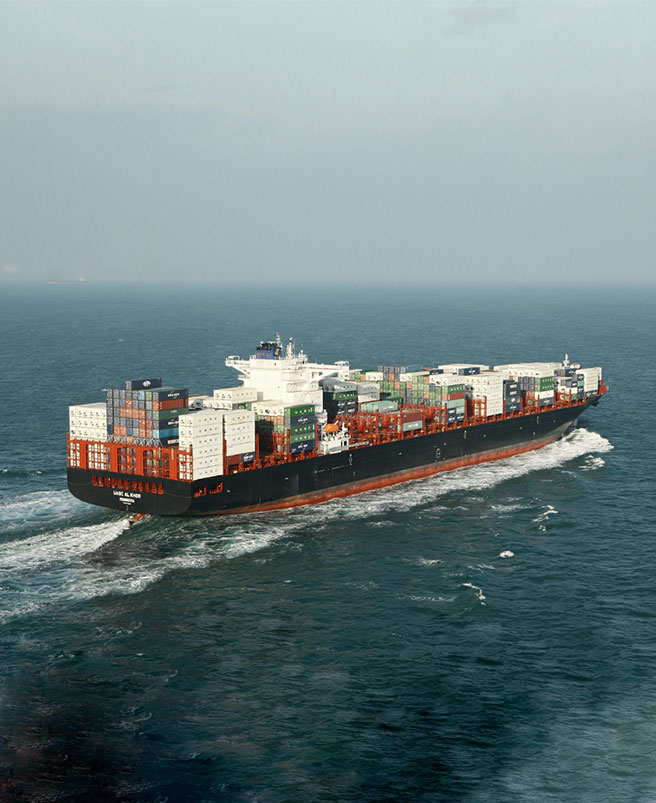
Global Ship Lease has exercised options to construct two additional mid-sized containerships, bringing its total active newbuilding orderbook to 17 vessels. The newly ordered wide-beam units are designed with ultra-high reefer capacity and incorporate latest-generation engineering specifications. The dual vessel contract carries an aggregate price tag of approximately US$163 million. According to the company, the flexible vessel architecture is intended to accommodate evolving regulatory and commercial demands.
Operational Impact for Vessel Managers
For technical superintendents and fleet managers, the influx of specialized, wide-beam tonnage into the global charter market signals a continued shift toward flexible cargo handling capabilities. Vessels featuring high reefer plug counts demand robust power generation and distribution systems, which directly influences electrical load balance, auxiliary engine running hours, and maintenance scheduling. Fleet operators monitoring charter trends must factor in how these high-specification assets will compete with older, less adaptable mid-sized tonnage on key trades.
Regional Trading Considerations
For operators deploying tonnage across European, UK, Mediterranean, Turkish, Black Sea, and Middle Eastern waters, the integration of high-capacity reefer vessels impacts terminal power infrastructure and shore-side cold-ironing capabilities. Ports within these jurisdictions are experiencing heightened demand for refrigerated container handling, particularly for perishable agricultural and industrial goods moving between the Mediterranean, Middle East, and Northern European hubs. Technical teams must ensure that power management and energy efficiency profiles align with regional shore-power availability and increasingly stringent port-side emissions regulations.
Practical Takeaway
Technical managers evaluating long-term charter commitments should assess how high reefer-density designs impact auxiliary power margins and fuel consumption profiles under varying regional operating loads.