Hapag-Lloyd Adjusts Italian Inland Fuel Surcharge from September 21, 2026
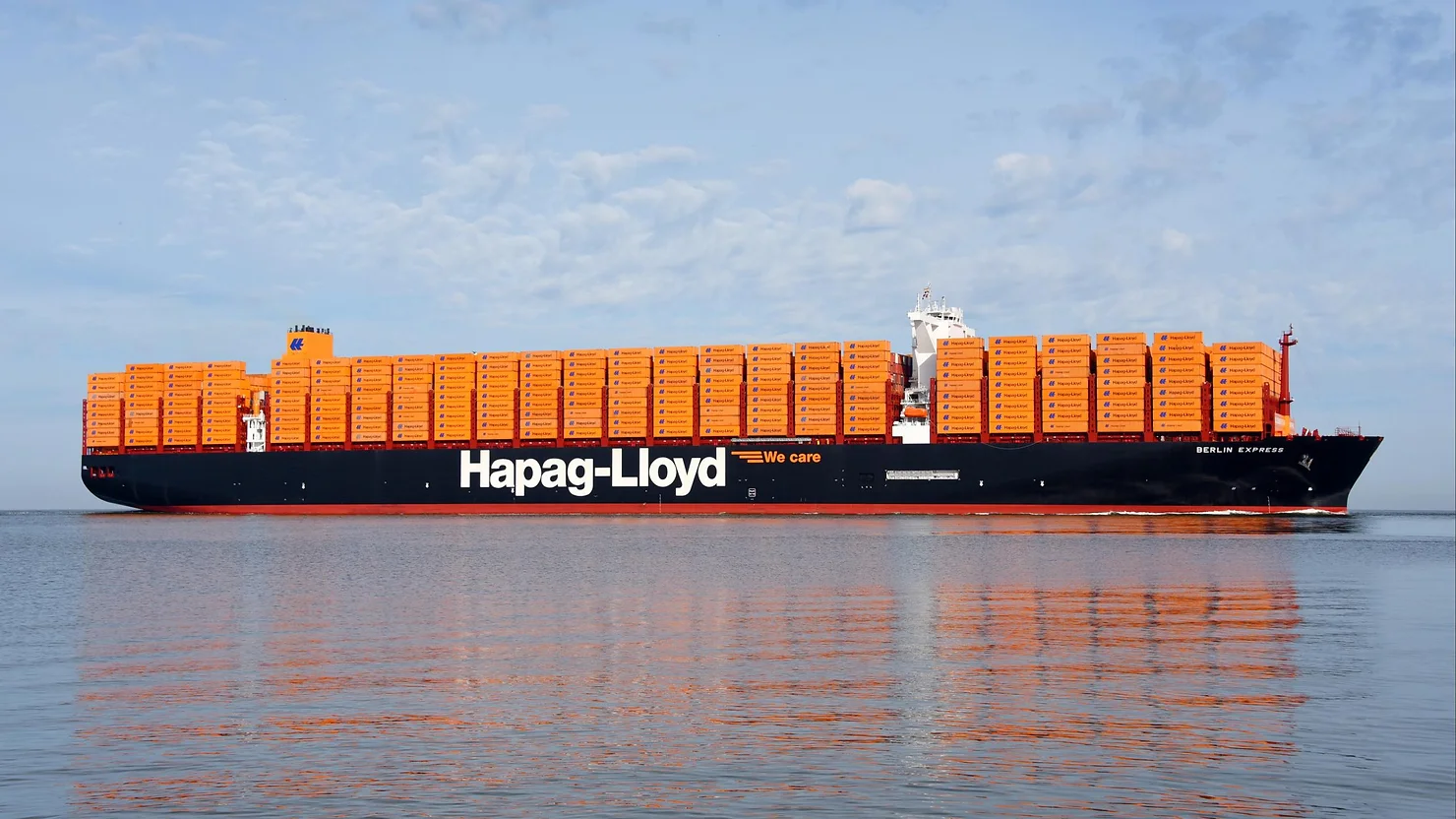
Hapag-Lloyd has announced an adjustment to its Inland Fuel Floater (Diesel) for inland container transport within Italy, effective from September 21, 2026. The carrier cites persistent volatility in international energy markets and fluctuating diesel prices as the drivers for this change.
Impact on Vessel Operators
This adjustment directly affects the cost of inland haulage for both import and export operations connected to Italy. For technical superintendents and fleet managers, this means an increased operational expense that needs to be factored into overall voyage costing and budget planning. The surcharge, set at 16% for truck transport, highlights the direct link between global energy prices and the final cost of moving containers from ports to their inland destinations. While the announcement focuses on Italy, it serves as a broader indicator of how shipping lines are responding to unpredictable fuel costs, which can ripple through to other surcharges and freight rates.
Regional Implications
Operators trading to European, UK, Mediterranean, Turkish, Black Sea, or Middle Eastern ports should monitor such adjustments closely. While this specific surcharge applies to Italy, similar mechanisms may be implemented or revised by other carriers in different regions as energy market dynamics evolve. The Mediterranean and Black Sea regions, in particular, are heavily reliant on efficient intermodal connectivity, making inland transport costs a critical component of overall logistics. This development underscores the need for robust cost management and clear communication channels with carriers regarding ancillary charges.
Practical Takeaway
Fleet managers and port agents should proactively review their contracts and operational budgets to account for potential increases in inland logistics costs stemming from fuel price volatility. Understanding the basis and timing of such surcharges is crucial for accurate financial forecasting and maintaining competitive service levels.