Second Seafarer Dead After Hercules Star Attack; Another Vessel Hit in Strait of Hormuz
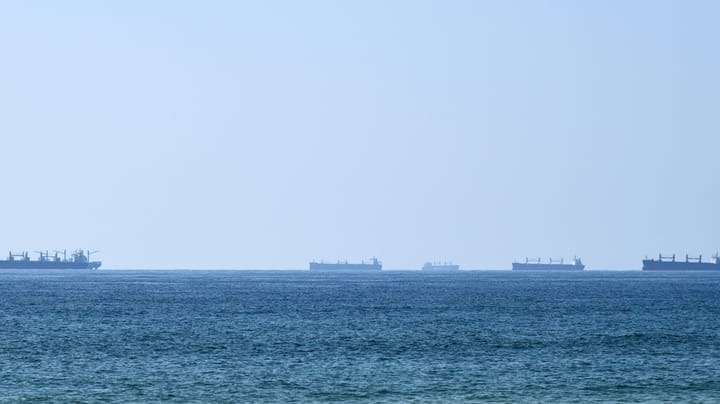
The maritime security landscape in the Arabian Gulf and Strait of Hormuz remains volatile following a recent attack on the bunker tanker Hercules Star. Tragically, a second seafarer from the vessel has been confirmed dead, with a third crew member still missing following the incident. This attack, which occurred off the coast of the UAE, underscores the persistent threats to commercial shipping in the region.
Adding to the concern, another vessel was reportedly struck in the Strait of Hormuz shortly after the Hercules Star incident. While details are still emerging, these events collectively signal a concerning escalation in maritime security challenges. For vessel operators, this means a renewed focus on risk assessment and mitigation strategies for voyages transiting these critical waterways.
Operational Implications
For operators trading to European, UK, Mediterranean, Turkish, Black Sea, or Middle Eastern ports, these events highlight the interconnectedness of global maritime security. While the immediate incidents occurred in the Arabian Gulf, the Strait of Hormuz is a vital chokepoint for global trade, and any disruption or increased risk perception can have ripple effects on insurance premiums, transit times, and overall operational costs for vessels calling at ports within these regions. The potential for further instability necessitates enhanced vigilance and preparedness for all vessels, regardless of their ultimate destination.
A practical takeaway for vessel operators is to ensure that all crew members are thoroughly briefed on current regional security advisories and that emergency response procedures are clearly understood and regularly drilled. Maintaining open communication channels with flag states and relevant maritime security agencies is also paramount.