Strait of Hormuz Tanker Attack Injures 12 Seafarers
Incident Overview
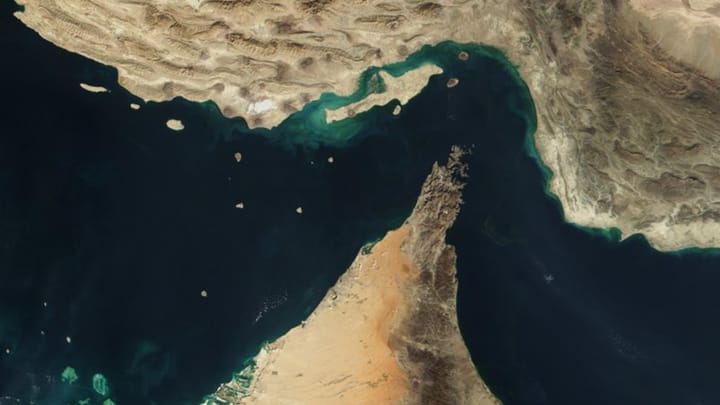
A Panama-flagged tanker operating in the Strait of Hormuz has been targeted in a security incident, resulting in at least 12 seafarers sustaining injuries. The Indian government has issued a formal condemnation of the attack, noting that 11 of the injured crew members are Indian nationals.
Operational Impact for Fleet Managers
For technical superintendents and Designated Persons Ashore (DPAs), this event underscores the persistent kinetic risks facing commercial shipping in Middle Eastern choke points. Operators must continuously review voyage risk assessments, harden ship security alert systems (SSAS), and ensure citadel procedures and non-lethal deterrents are fully operational. Crew welfare and medical evacuation protocols under the Maritime Labour Convention (MLC) also come to the fore when personnel are injured in hostile waters.
Regional Trading Implications
For vessels transiting to or from Middle Eastern load ports before heading toward European, UK, Mediterranean, Turkish, or Black Sea destinations, heightened threat levels in the Arabian Gulf and Gulf of Oman demand rigorous passage planning. Port agents and operators must coordinate closely on security briefings, crew change restrictions, and war risk insurance premium adjustments. Any disruption to traffic in the Strait of Hormuz directly threatens regional bunker supply chains and downstream energy logistics serving Mediterranean and European markets.
Practical Takeaway
Fleet managers must verify that all crew members are briefed on emergency muster protocols and that hardening measures are strictly maintained prior to entering high-risk areas.