Strait of Hormuz Traffic Declines Amidst Geopolitical Tensions
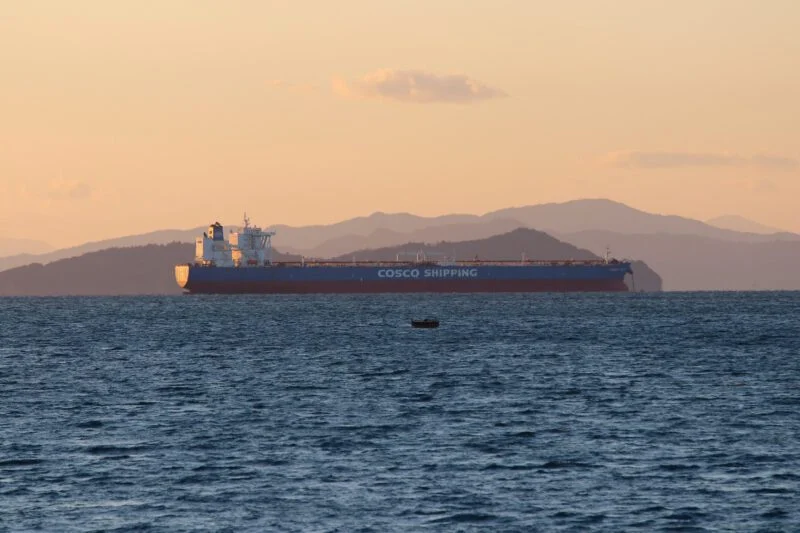
Recent shipping data reveals a notable decrease in commodity vessel traffic through the Strait of Hormuz, averaging 10 transits per day over the past ten days. This represents the lowest daily average recorded since May, suggesting a direct impact from heightened geopolitical tensions in the region, specifically involving US and Iranian actions against commercial shipping.
For vessel operators, this dip in traffic is a clear indicator of increased risk perception and potential operational disruptions. The Strait of Hormuz is a critical chokepoint, handling a substantial volume of global oil and gas shipments. Any perceived threat or actual incident can lead to rerouting, increased insurance premiums, and delays, impacting delivery schedules and profitability. The data points to a heightened state of alert, potentially influencing voyage planning and risk assessments for vessels traversing this vital waterway.
Operators trading to European, UK, Mediterranean, Turkish, Black Sea, or Middle Eastern ports may experience indirect consequences. While the immediate impact is on vessels directly transiting Hormuz, a sustained reduction in traffic or increased transit times can affect the availability and cost of commodities, including refined products and crude oil, that eventually reach these markets. Furthermore, the broader geopolitical climate can influence regional security perceptions, potentially affecting other maritime routes or port operations within these areas.
A practical takeaway for operators is the imperative to maintain robust contingency planning. This includes closely monitoring geopolitical developments, ensuring vessels are equipped with appropriate communication and safety systems, and having pre-defined alternative routes or standby procedures in place. Flexibility in scheduling and a thorough understanding of insurance coverage for war risk and other potential perils are also crucial in navigating such volatile periods.