Lloyd's Register and HD Hyundai Collaborate on Next-Gen LNG Carrier Hybrid Propulsion
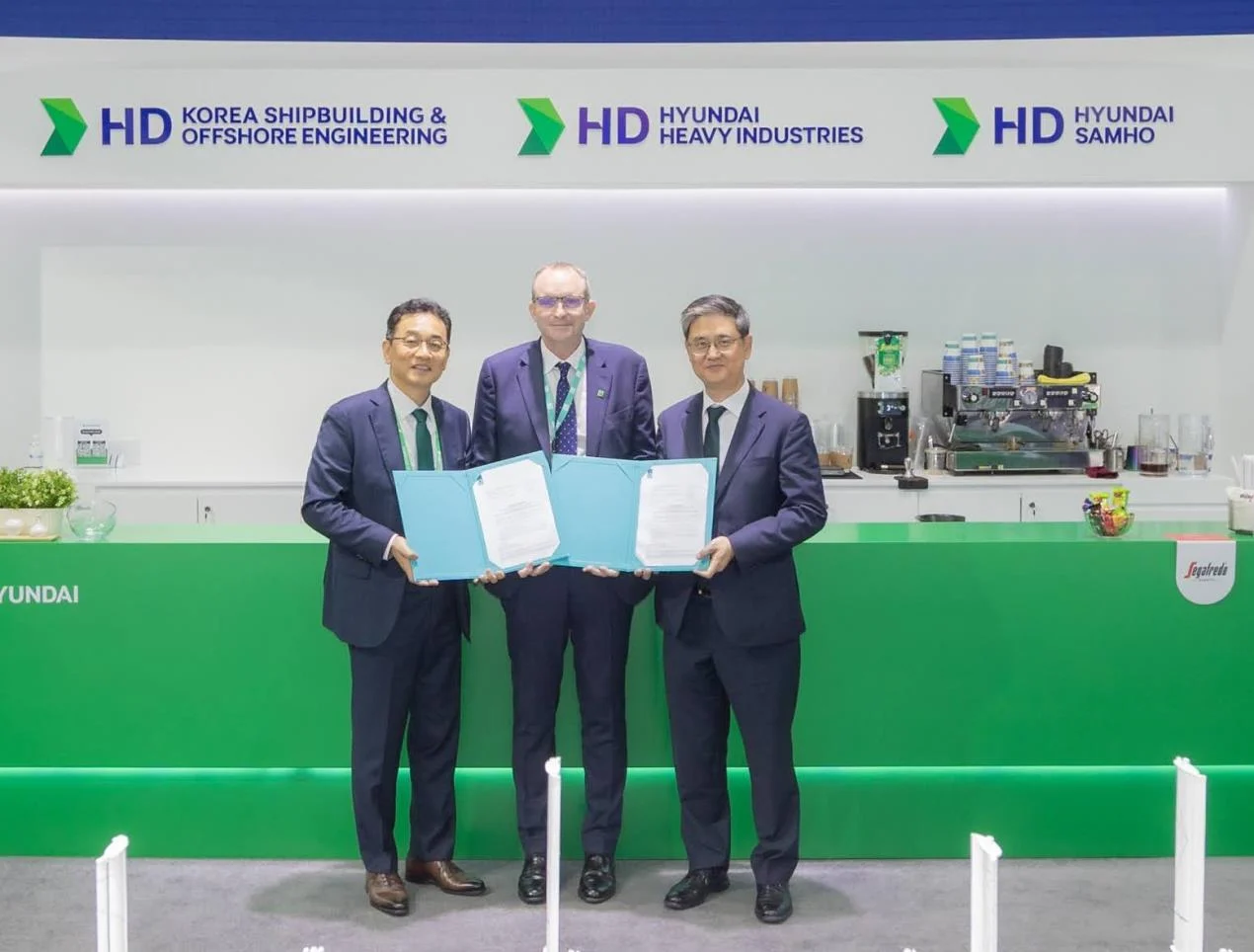
A significant development in LNG carrier technology is emerging as Lloyd's Register (LR) partners with South Korea's HD Hyundai Heavy Industries (HHI) and HD Korea Shipbuilding Offshore Engineering (KSOE). Their collaboration aims to integrate and advance hybrid-electric propulsion systems into the design of next-generation LNG carriers.
This initiative is particularly relevant for fleet operators considering future newbuilding orders or significant retrofits. Hybrid-electric propulsion offers potential benefits in fuel efficiency, reduced emissions, and operational flexibility. By combining traditional power sources with electric systems, these vessels can optimise power generation and consumption based on operational demands, leading to lower fuel costs and a reduced environmental footprint.
Operational Implications
The move towards hybrid-electric propulsion signifies a broader industry trend towards decarbonisation and enhanced operational efficiency. For technical superintendents and fleet managers, this means understanding new system architectures, maintenance requirements, and the integration of advanced control systems. The potential for improved fuel economy and compliance with increasingly stringent environmental regulations, such as the EU Emissions Trading System (ETS) and the Carbon Intensity Indicator (CII), makes this technology a key consideration.
For operators trading to European, UK, Mediterranean, Turkish, Black Sea, and Middle Eastern ports, the adoption of such technologies will be crucial for maintaining competitiveness and meeting evolving regulatory expectations. Ports in these regions are increasingly focused on environmental performance, and vessels with advanced, lower-emission propulsion systems may face fewer operational restrictions or benefit from preferential berthing. The drive for cleaner shipping is accelerating, and hybrid systems represent a tangible step in that direction.
Practical Takeaway
Fleet managers should proactively engage with classification societies and shipyards to understand the capabilities and lifecycle costs of hybrid-electric propulsion systems. Early familiarisation with the technology will be essential for strategic fleet planning and ensuring compliance with future environmental mandates.