India and Liberia Establish Coalition for Maritime Security
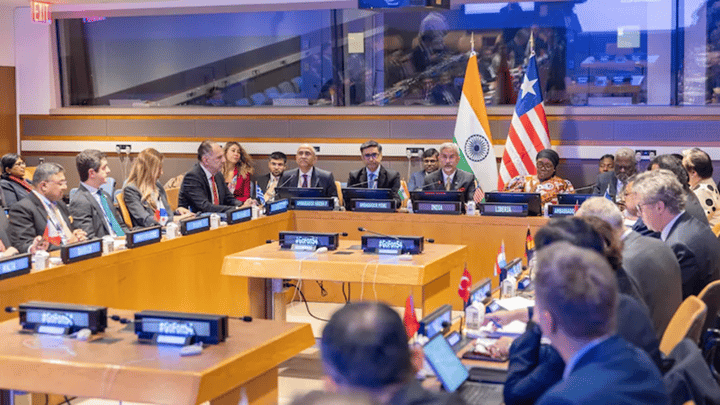
A new international coalition, spearheaded by India and Liberia, has been launched at the United Nations to address the increasing security challenges faced by merchant shipping and its crews. This initiative underscores a growing global recognition of the need for coordinated action to safeguard maritime trade routes and the personnel who operate them.
The formation of this group is a direct response to the persistent threats that disrupt global supply chains and endanger seafarers. While the specific nature of these threats can vary, they often include piracy, armed robbery, and increasingly, geopolitical tensions impacting commercial navigation. The coalition intends to foster greater cooperation among nations in intelligence sharing, operational coordination, and the development of best practices for vessel and crew protection.
For vessel operators, this development signifies a potential for improved security measures and a more unified international approach to maritime threats. A stronger focus on seafarer safety and vessel security can lead to reduced operational risks, fewer disruptions, and potentially lower insurance premiums in high-risk areas. The collective efforts are expected to enhance the overall resilience of the shipping industry.
Operators trading to European, UK, Mediterranean, Turkish, Black Sea, or Middle Eastern ports should monitor this coalition's activities closely. While the immediate focus may be on broader global threats, enhanced maritime security cooperation can have ripple effects. Improved intelligence sharing and coordinated responses could indirectly benefit security in regions prone to piracy or other disruptions, potentially leading to more stable transit conditions. Furthermore, any new protocols or recommendations emerging from this coalition could influence flag state and port state control expectations in these vital trading areas.
One practical takeaway for operators is to ensure their vessel security plans (VSPs) are robust and aligned with emerging international best practices. Proactive engagement with flag state administrations and a thorough understanding of any new guidelines or recommendations from this coalition will be crucial for maintaining compliance and operational continuity.