India Urges UN to Prevent Commercial Shipping from Becoming Geopolitical Targets
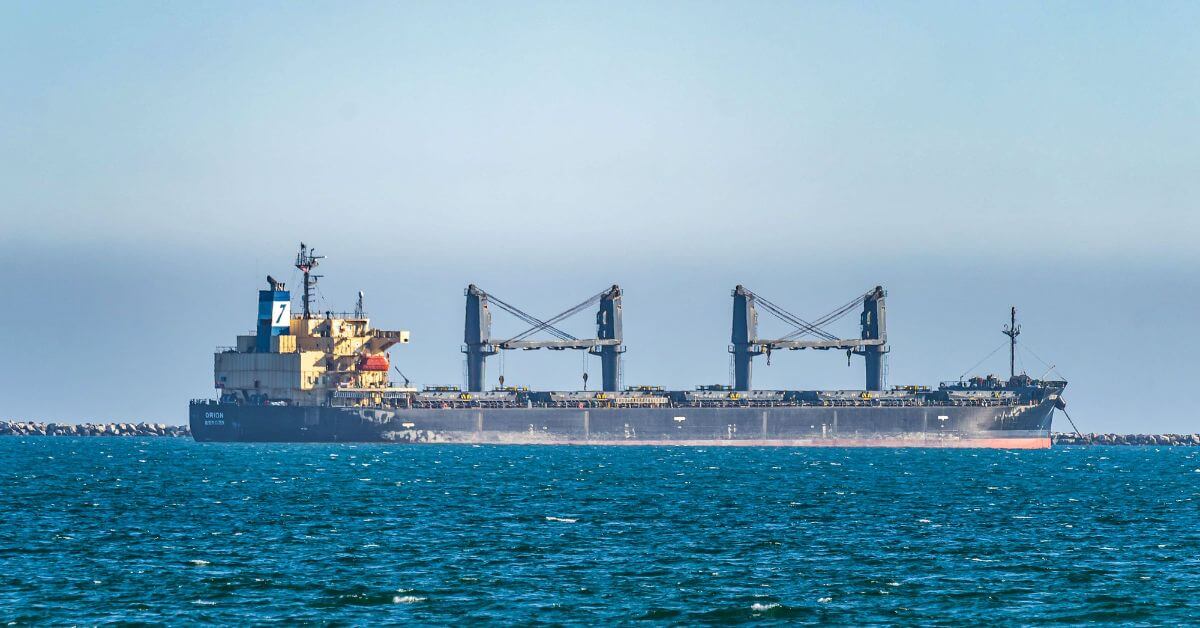
India's Permanent Representative to the UN, P Harish, has voiced significant concerns regarding the increasing vulnerability of commercial shipping to geopolitical conflicts. Speaking at a UN Security Council meeting, Mr. Harish stressed that merchant vessels should not be drawn into or become targets within international disputes. This statement underscores a growing anxiety within the maritime industry about the safety and security of global trade flows.
Implications for Vessel Operators
The core issue is the potential for commercial shipping to be collateral damage in broader political or military confrontations. When vessels are attacked or impeded due to geopolitical events, it directly impacts operational continuity, safety of seafarers, and the economic viability of voyages. Such incidents can lead to increased insurance premiums, rerouting of vessels, delays, and ultimately, higher costs for cargo owners and consumers. The principle of freedom of navigation for legitimate commercial purposes is being challenged, creating uncertainty for fleet managers and charterers.
For operators trading within or transiting the European, UK, Mediterranean, Turkish, Black Sea, or Middle Eastern regions, this message carries particular weight. These areas are frequently at the nexus of geopolitical hotspots and are critical arteries for global trade. Increased tensions can manifest as heightened security risks, potential for vessel detentions, or disruptions to key chokepoints like the Suez Canal or the Turkish Straits. Vigilance and robust risk assessment are paramount when planning routes and operations in these sensitive zones.
A practical takeaway for vessel operators is to enhance their geopolitical risk monitoring and contingency planning. This includes staying abreast of regional developments, consulting up-to-date threat assessments from maritime security agencies, and ensuring vessels are equipped with appropriate communication and safety equipment. Developing flexible routing strategies and maintaining open communication channels with charterers and relevant authorities can help mitigate potential disruptions.