Indian Seafarer Death Prompts Calls for Enhanced Crew Protection Amid Rising Maritime Security Risks
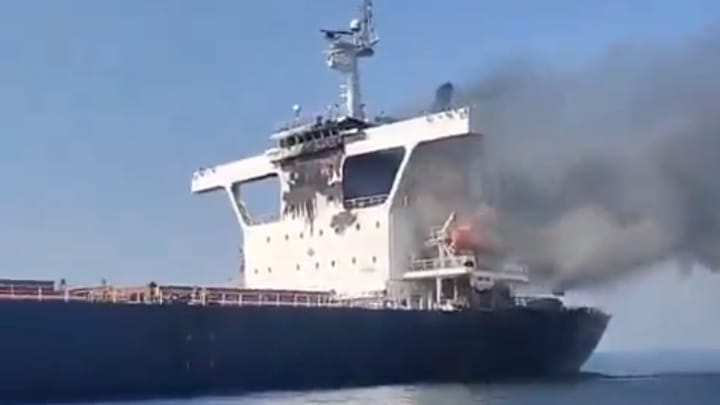
The recent death of an Indian seafarer aboard the Cape Dao has ignited urgent calls from maritime unions for enhanced governmental protection for Indian seafarers. This incident underscores the escalating security risks faced by crews operating in various maritime regions, prompting a re-evaluation of safety protocols and support mechanisms.
The core issue revolves around the increasing frequency and severity of maritime security incidents, which directly endanger the lives and well-being of seafarers. For vessel operators, particularly those managing mixed fleets or employing a significant number of Indian nationals, this situation presents a critical operational and ethical challenge. The safety of personnel is paramount, and any threat to it necessitates immediate attention and proactive measures.
Implications for Regional Operations
For operators with vessels trading in or transiting through areas experiencing heightened security concerns, such as the Red Sea, Gulf of Aden, or other zones prone to piracy or conflict, this event serves as a stark reminder. While the specific incident may not have occurred within European or Mediterranean waters, the underlying security risks and the vulnerability of crews are universal. Operators must ensure that their voyage planning, risk assessments, and crew welfare policies adequately address potential threats, regardless of geographical location. This includes robust communication channels, emergency response procedures, and adherence to best practices for vessel security.
The union's plea to the Indian government for stronger protection signifies a broader need for international cooperation and flag state responsibility in safeguarding seafarers. While flag states have primary responsibility, the interconnected nature of global shipping means that all stakeholders, including charterers, port authorities, and manning agencies, have a role to play in ensuring crew safety. The incident highlights the potential for disruptions and the need for contingency planning that accounts for the welfare of all nationalities represented on board.
Practical Takeaway
Operators should review and reinforce their existing security protocols and crew welfare initiatives. This includes ensuring that all crew members are fully briefed on current threat assessments for their intended voyages and that clear communication lines are maintained with shore-based management. Proactive engagement with relevant authorities and industry bodies regarding seafarer safety is also advisable.