Iran Detains Oil Tanker in Strait of Hormuz Amidst Increased Regional Tensions
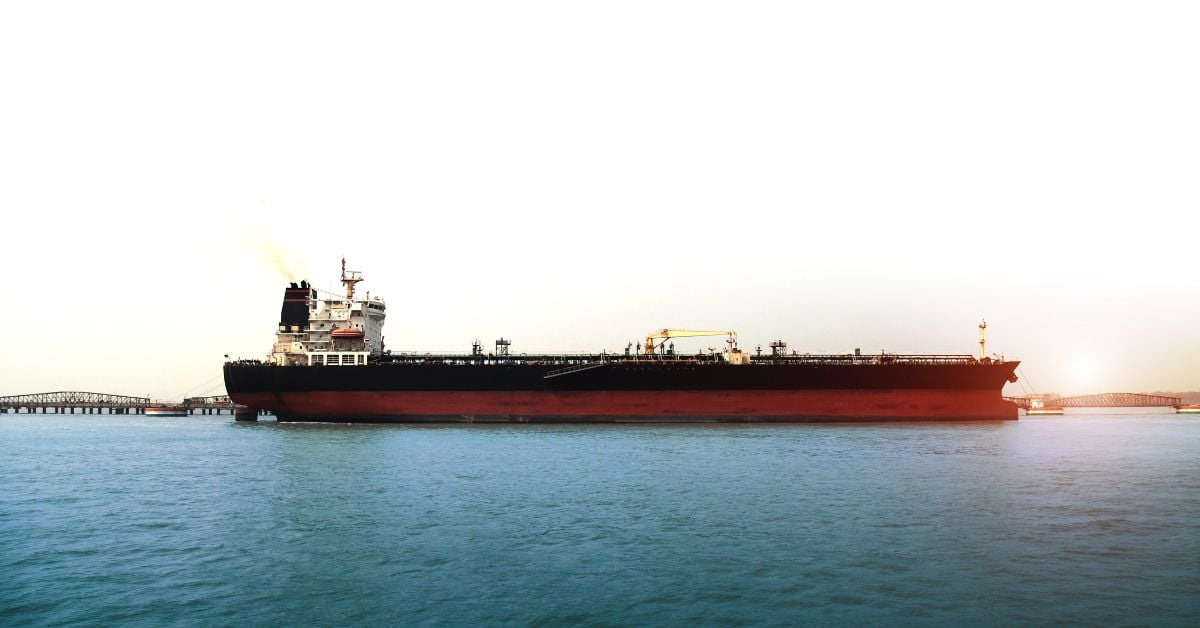
Iran has announced the seizure of an oil tanker in the Strait of Hormuz, citing 'illegal' passage as the reason for the action. While details remain scarce, the incident was also flagged by the United Kingdom Maritime Trade Operations (UKMTO), indicating a disruption to maritime traffic in a critical global chokepoint.
This event underscores the heightened geopolitical risks present in the Strait of Hormuz and surrounding waters. For vessel operators, such incidents translate directly into increased operational uncertainty and potential delays. The arbitrary detention of a commercial vessel, regardless of the stated justification, poses significant risks to crew safety, cargo integrity, and the vessel's schedule. Furthermore, it can lead to substantial financial implications, including demurrage, legal costs, and potential insurance complications.
The Strait of Hormuz is a vital artery for global oil and gas trade, and any disruption here has far-reaching consequences. The incident serves as a stark reminder for operators to maintain heightened vigilance, ensure robust communication channels with flag states and relevant authorities, and to thoroughly assess and mitigate transit risks in politically sensitive areas.
For operators trading to European, UK, Mediterranean, Turkish, Black Sea, or Middle Eastern ports, this incident reinforces the need for comprehensive risk assessments. Vessels transiting these regions, particularly those carrying oil and gas, may face increased scrutiny or indirect impacts from regional instability. Maintaining up-to-date threat assessments and contingency plans is paramount, especially when navigating waters adjacent to or influenced by the Strait of Hormuz.
While the specific circumstances of this detention are still unfolding, the broader implication is clear: commercial shipping continues to be vulnerable to geopolitical tensions. Operators must prioritize crew welfare, operational security, and proactive communication with all stakeholders to navigate these challenging maritime environments.