Japan's Major Owners Back Standardised 42,000 cu m CO2 Carrier
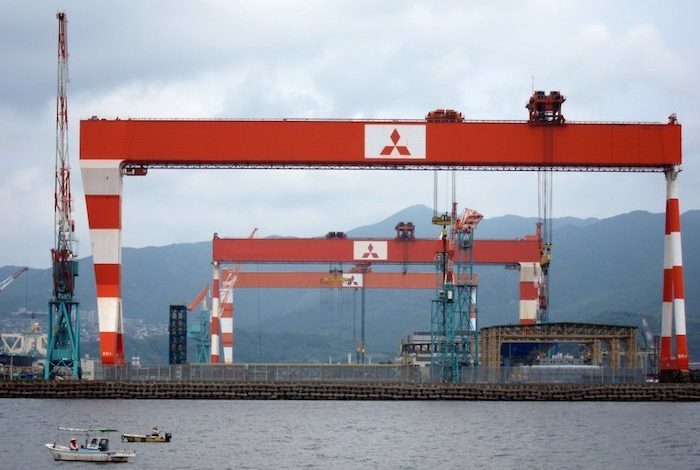
Japan's three largest shipping companies – NYK, MOL, and K Line – are partnering with prominent shipbuilders Mitsubishi Shipbuilding, Nihon Shipyard, and the MILES joint venture to develop a standardised 42,000 cubic metre liquefied CO2 (LCO2) carrier. This initiative reflects a strategic move to prepare for the anticipated surge in demand for carbon capture and storage (CCS) shipping solutions.
The focus on a standardised design for this specific capacity suggests an effort to streamline construction and potentially reduce costs for future fleet expansion. The development of low-pressure LCO2 carriers is crucial for the efficient and safe transportation of captured CO2, a key component of decarbonisation strategies.
Implications for Operators
For vessel operators, particularly those trading within or calling at European, UK, Mediterranean, Turkish, Black Sea, or Middle Eastern ports, this development signals a maturing market for CO2 transport. As decarbonisation targets intensify globally, especially within the EU, the availability of purpose-built LCO2 carriers will become increasingly important. Ports in these regions are likely to see increased activity related to CCS infrastructure and associated shipping movements. Operators should anticipate potential future chartering opportunities or the need to adapt existing tonnage if regulations evolve to mandate specific vessel types for CO2 transport. Early engagement with the evolving LCO2 shipping landscape could provide a competitive advantage.
This collaborative effort by Japan's maritime giants underscores the global commitment to developing the necessary infrastructure for a low-carbon future. The standardisation of LCO2 carriers is a significant step towards making carbon capture and transport a more viable and scalable solution.