Japan Allocates $1.36 Billion to Revitalise Shipbuilding Capacity
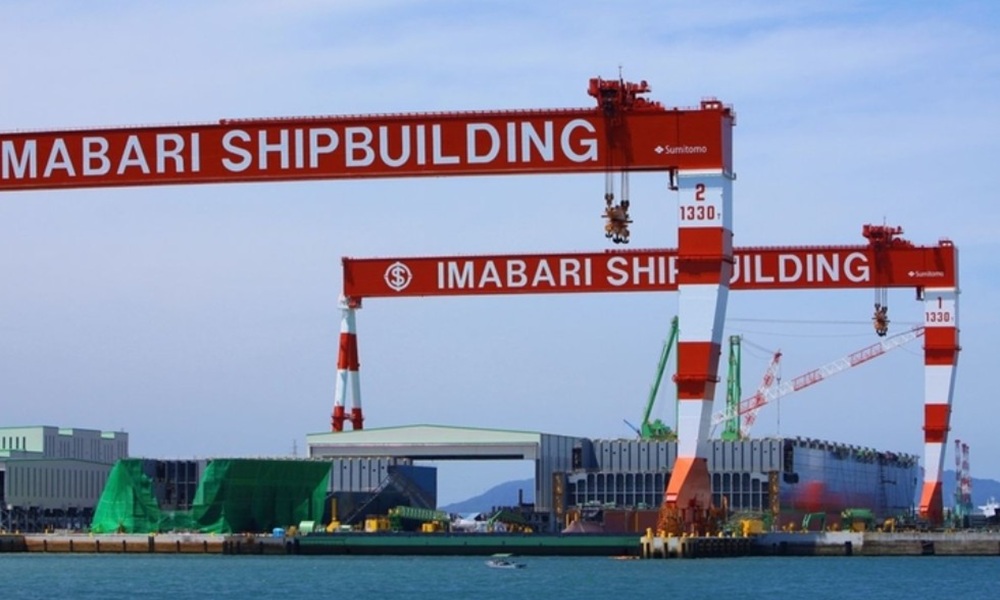
Japan has launched a substantial initiative to modernise and expand its domestic shipbuilding capabilities, allocating approximately $1.36 billion through a new revival fund. The Ministry of Land, Infrastructure, Transport and Tourism has approved the first phase of this plan, directing funds towards three major Japanese shipbuilding groups: Imabari Shipbuilding, Japan Marine United, and Namura Shipbuilding.
This move signifies a strategic pivot by Tokyo, transitioning from policy discussions to concrete, large-scale investment in its shipbuilding infrastructure. The objective is to enhance the sector's competitiveness on the global stage, particularly in the face of increasing international competition and evolving demands for vessel types, such as those required for the energy transition.
For vessel operators, this development has several implications. A revitalised Japanese shipbuilding sector could lead to increased capacity for newbuilding orders, potentially impacting delivery times and prices for vessels. It also suggests a focus on advanced shipbuilding technologies and potentially more efficient vessel designs, which could influence future fleet acquisition strategies and operational performance. The investment aims to ensure Japanese yards can meet the future needs of the maritime industry, including the construction of greener and more technologically sophisticated ships.
Specifically for operators trading within European, UK, Mediterranean, Turkish, Black Sea, or Middle Eastern ports, this Japanese investment might indirectly affect the availability and pricing of tonnage on the global market. While direct impacts on port operations are unlikely, shifts in global shipbuilding capacity can influence charter rates and the types of vessels being built, which in turn can affect the overall supply and demand dynamics for shipping services calling at these regions. "large-scale capacity investment" is a key driver here.
One practical takeaway for fleet managers is to monitor the output and specialisations of these revitalised Japanese yards. Understanding their future building capabilities could inform long-term fleet planning and newbuilding decisions, potentially offering new avenues for acquiring advanced or specialised tonnage.