Jawaharlal Nehru Port Secures $70M IFC Blue Financing for Shore Power
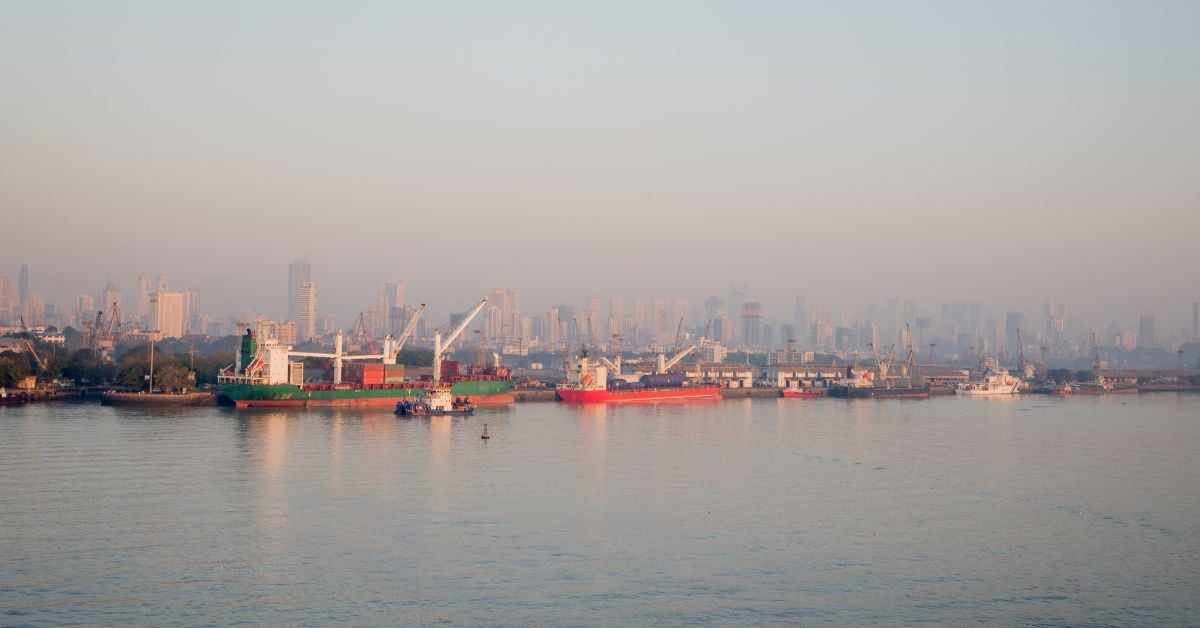
Jawaharlal Nehru Port (JNPT) in Mumbai is set to receive $70 million in blue financing from the International Finance Corporation (IFC) to develop its first shore power facility. This significant investment marks a crucial step for India's maritime sector in adopting cleaner energy solutions for vessels at berth.
The project aims to provide onshore electricity to ships, thereby reducing their reliance on auxiliary engines while docked. This directly addresses a key component of maritime decarbonisation strategies, cutting down on emissions of sulphur oxides (SOx), nitrogen oxides (NOx), and particulate matter, as well as greenhouse gases like CO2. The blue financing framework, which links financial instruments to measurable environmental outcomes, underscores the growing global emphasis on sustainable maritime operations.
For vessel operators, the availability of shore power at major ports translates into operational efficiencies and compliance benefits. It allows for the shutdown of onboard generators, saving on fuel costs and reducing engine wear. More importantly, it helps meet increasingly stringent environmental regulations and port authority requirements concerning emissions. This initiative by JNPT is a positive development for shipping lines calling at the port, potentially leading to reduced operational costs and a smaller environmental footprint.
Implications for European and Regional Trade
While this development is in India, it has direct implications for operators trading to European, UK, Mediterranean, Turkish, Black Sea, and Middle Eastern ports. Many of these regions are at the forefront of implementing strict environmental regulations, such as the EU Emissions Trading System (ETS) and the Carbon Intensity Indicator (CII). The adoption of shore power in major Asian hubs like JNPT aligns with the global trend towards decarbonisation and may accelerate the demand for similar infrastructure in other key trading areas. Operators can anticipate a future where shore power connectivity becomes a standard expectation, influencing route planning and port selection. The "blue financing" aspect also highlights a growing trend in sustainable finance for maritime projects, which could see similar initiatives emerge in other regions.
This project is a clear indicator of the direction the global maritime industry is heading, prioritising emissions reduction and sustainable practices. As more ports invest in shore power, it will become an increasingly vital consideration for fleet management and operational planning.