Kalmar Consolidates Terminal Tractor and Horizontal Transport Divisions
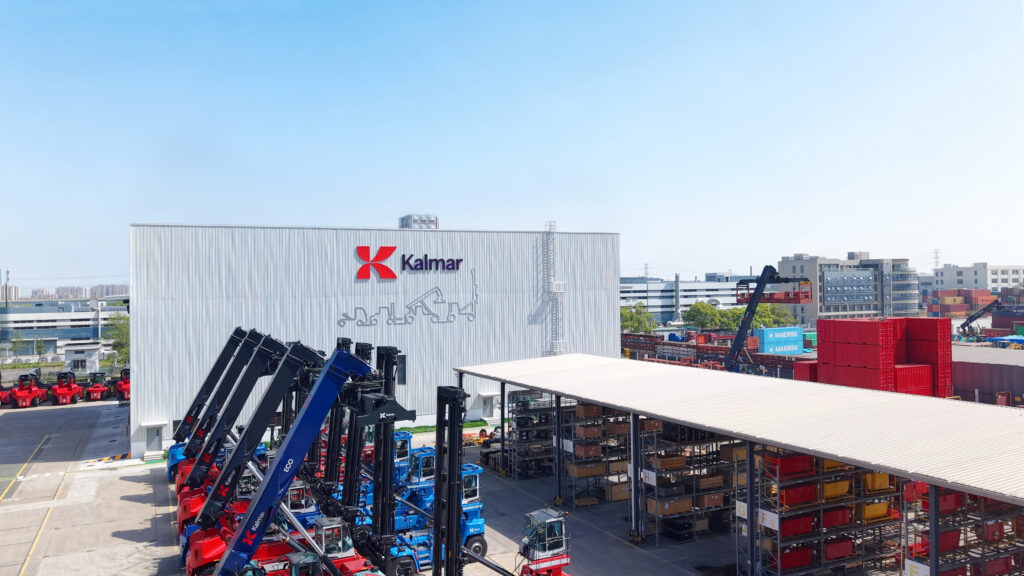
Kalmar Corporation's Board of Directors has initiated a strategic reorganisation aimed at simplifying its operational structure. The core of this change involves merging its Terminal Tractors and Horizontal Transportation divisions into a single, unified entity. This consolidation is intended to achieve several key objectives: enhancing governance efficiency, accelerating product development cycles, and boosting research and development efforts across the port, terminal, and distribution sectors.
The rationale behind this move appears to be a drive for greater synergy and a more cohesive approach to innovation within these specific operational areas. By bringing together teams and resources that previously operated separately, Kalmar seeks to foster a more integrated development process. This could lead to quicker adaptation to evolving market demands and technological advancements in cargo handling equipment.
For vessel operators, particularly those managing fleets that frequently interact with port and terminal infrastructure, this internal reorganisation at a major equipment supplier like Kalmar is noteworthy. While not directly impacting vessel operations or regulatory compliance, it signals a potential future evolution in the equipment and services offered for port logistics. A more streamlined Kalmar could mean more focused product roadmaps and potentially faster innovation cycles for the machinery that facilitates cargo movement.
Specifically for operators trading to European, UK, Mediterranean, Turkish, Black Sea, or Middle Eastern ports, this development suggests a potential for more integrated solutions in terminal automation and equipment. As ports in these regions continue to invest in efficiency and throughput, a unified Kalmar division might offer more comprehensive packages or a clearer point of contact for advanced cargo handling systems, potentially impacting the speed and efficiency of vessel turnaround times in the long run.
A practical takeaway for vessel operators is to remain aware of how major equipment suppliers are restructuring. While the immediate impact is internal to Kalmar, such changes can precede shifts in product offerings, support structures, and technological integration that may eventually influence port operations and, by extension, vessel scheduling and efficiency.