Kazakh Lentil Exports Utilize Multimodal Route to India via Caspian and Black Seas
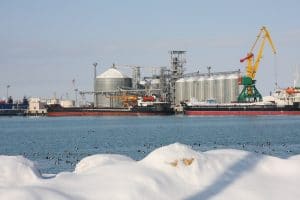
A recent multimodal shipment of Kazakh lentils to India's Mundra port underscores the growing importance of integrated logistics networks connecting Central Asia with key global markets. The cargo, originating from Kazakhstan's Akmola region, transited through Aktau (Kazakhstan), Alat (Azerbaijan), and Poti (Georgia) before reaching its destination. This route leverages the Caspian Sea and subsequently the Black Sea, demonstrating a strategic use of maritime and rail infrastructure to facilitate trade.
For vessel operators, particularly those engaged in bulk or general cargo trades, this development signifies an increasing demand for efficient transit solutions for agricultural commodities. The ability to move goods from landlocked regions to major sea lanes via a series of intermodal transfers highlights the flexibility and resilience required in modern supply chains. It also points to the continued relevance of traditional maritime routes, even as new logistical pathways are explored.
Operators trading to European, UK, Mediterranean, Turkish, Black Sea, or Middle Eastern ports may see increased traffic of such intermodal cargo. Ports within these regions, acting as transhipment hubs or final destinations for goods originating from or destined for Central Asia, will likely experience a greater volume of diverse cargo types. This necessitates efficient port operations and coordination between different transport modes to manage potential congestion and ensure timely vessel turnaround.
A practical takeaway for fleet managers and technical superintendents is the need to stay informed about evolving trade routes and the types of cargo they facilitate. Understanding these logistical shifts can help in anticipating demand for specific vessel types and ensuring that vessels are suitably equipped and certified for the intended trades, including compliance with any specific port or regional requirements that may arise from increased intermodal activity.