New Central African Iron Ore Corridor May Require 80 Capesizes Annually
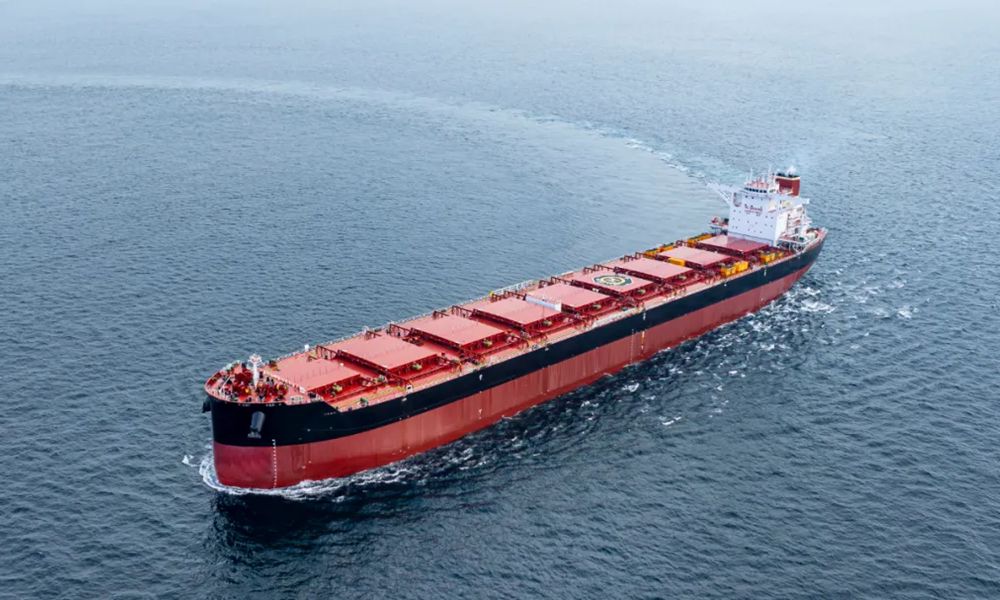
A substantial new trade route for capesize bulk carriers is emerging in Central Africa, driven by plans to export up to 100 million tonnes of iron ore annually. This ore is expected to originate from the landlocked Central African Republic and be shipped through Cameroon's deepwater port of Kribi.
If this ambitious CAR-Kribi corridor project materialises to its projected scale, it could create significant demand for the large bulk carrier segment. Industry analysts estimate this could translate into a need for approximately 80 capesize vessels to service the trade. The development hinges on the successful establishment of infrastructure to transport the ore from its source to the port.
For vessel operators, this represents a potential shift in trade flows and a new area of demand. The scale of the project suggests a long-term commitment to this export route, which could influence charter rates and vessel deployment strategies for capesize tonnage. The logistical challenges of moving such large volumes from an inland location to a deepwater port are considerable and will require robust planning and execution.
Operators trading to European, UK, Mediterranean, Turkish, Black Sea, or Middle Eastern ports should monitor this development. While the immediate impact is on the African export route, any significant new demand for capesizes can have ripple effects across global freight markets. Increased demand in one region can tighten availability elsewhere, potentially influencing freight rates on established routes that connect to or compete with these markets. Furthermore, the emergence of new, large-scale commodity trades often leads to increased port activity and associated logistical considerations, which could indirectly affect operations in other regions.