LNG Tanker Diverts Course Amidst Suspected Cyberattack
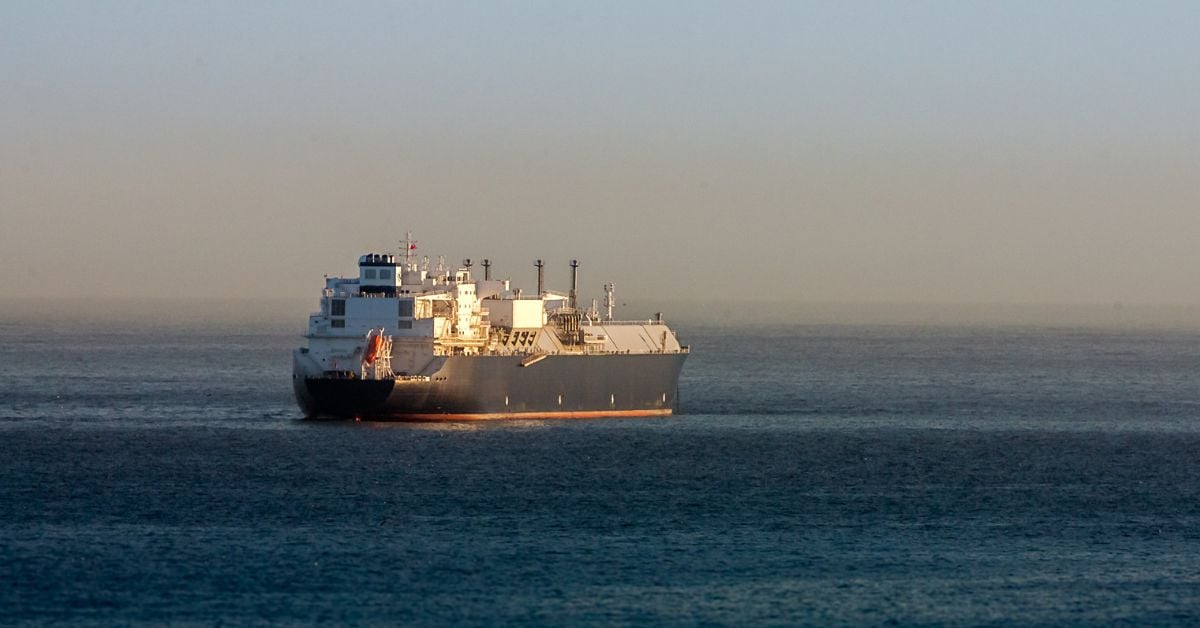
The Vivit Africa, an LNG tanker en route to Italy from the United States, reportedly turned back early this month after its crew detected signs of a potential cyberattack while navigating the Mediterranean and Adriatic Seas. Details surrounding the nature of the suspected intrusion remain scarce, but the incident underscores the increasing vulnerability of maritime operations to digital threats.
Operational Implications for Vessel Operators
This event serves as a stark reminder for fleet managers and technical superintendents about the critical need for robust cybersecurity measures across all vessel systems. Beyond navigation and communication, modern vessels rely heavily on integrated IT and OT (Operational Technology) systems for cargo management, engine control, and safety. A successful cyberattack could lead to severe operational disruptions, compromise vessel safety, and potentially result in significant financial losses due to cargo delays or damage.
Regional Considerations
For operators trading to European, UK, Mediterranean, Turkish, Black Sea, or Middle Eastern ports, this incident highlights the importance of understanding the cyber threat landscape in these busy trade routes. Increased digitalisation of port operations and vessel management systems in these regions, while offering efficiencies, also presents potential entry points for malicious actors. Ensuring that onboard systems are protected, and that crew are trained to identify and respond to suspicious digital activity, is paramount. The potential for such incidents to disrupt supply chains and impact port operations cannot be overstated.
A Proactive Approach
The incident prompts a review of existing cybersecurity protocols. This includes regular vulnerability assessments, implementation of multi-factor authentication, network segmentation, and comprehensive crew training on cyber hygiene and incident reporting. "We must be vigilant," noted one industry observer. A proactive stance, rather than a reactive one, is essential to safeguard against escalating cyber risks in the maritime sector.