Low Rhine Water Levels Impact Inland Navigation and European Logistics
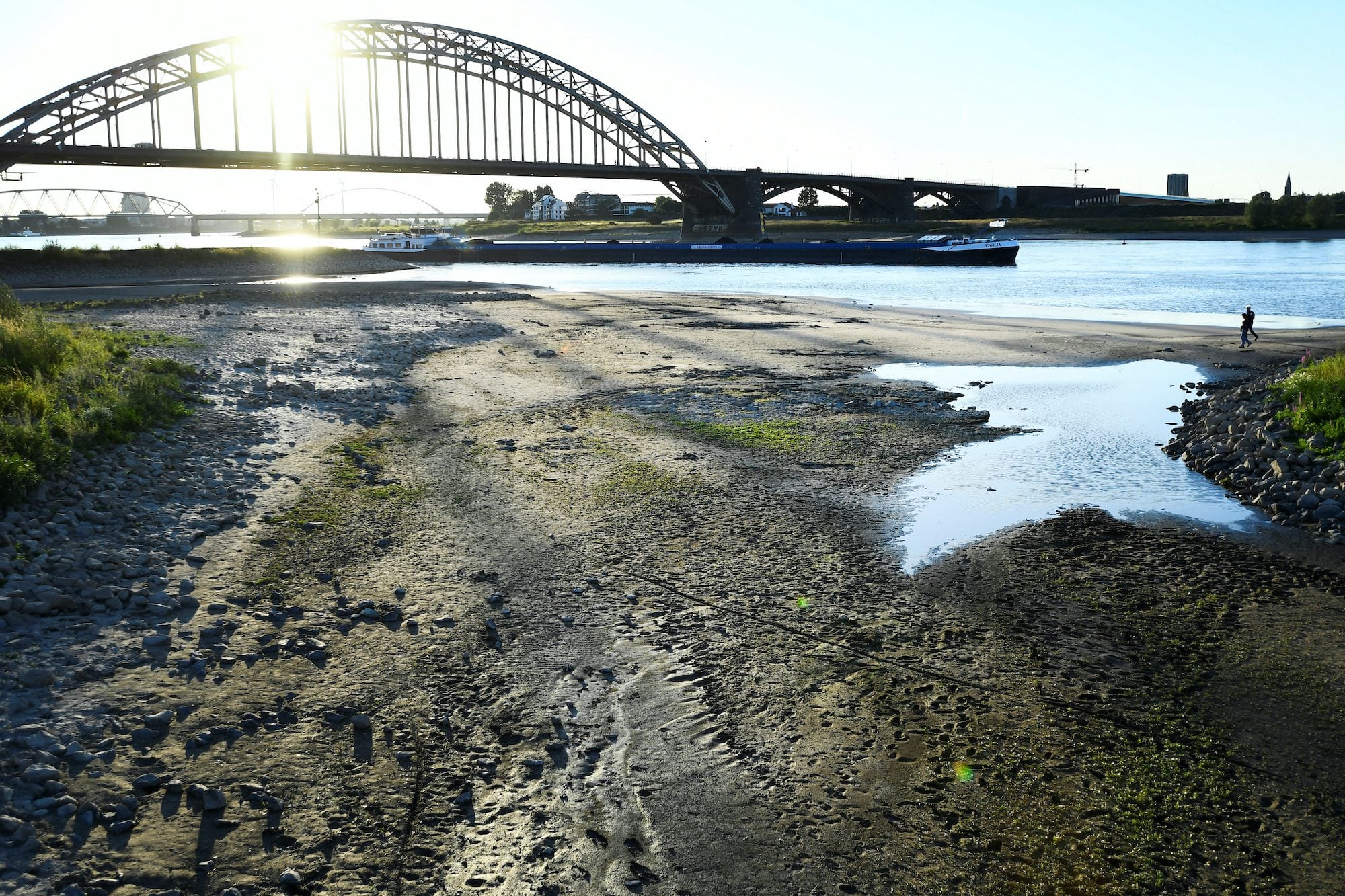
The Rhine River, a critical artery for European trade, is experiencing prolonged periods of critically low water levels. This phenomenon, exacerbated by changing climate patterns, is significantly disrupting inland waterway transport, a vital component of the continent's logistics network.
For vessel operators, this translates directly into reduced cargo capacity. Barges and vessels are forced to operate with lower draughts, meaning fewer tonnes can be carried per voyage. This necessitates more frequent sailings to move the same volume of goods, increasing operational costs and potentially leading to delays. Furthermore, the reduced navigability can lead to congestion at ports and transhipment points as vessels wait for suitable water levels or for cargo to be transferred to smaller vessels capable of navigating the shallower sections.
The implications extend beyond the immediate operational challenges. The reliance on inland waterways for bulk cargo, chemicals, and other essential goods means that disruptions here can ripple through various industrial sectors. Companies are being compelled to re-evaluate their supply chain resilience and explore alternative transport modes, such as rail or road, which may be less cost-effective or environmentally friendly for certain types of cargo.
For operators trading to European, UK, Mediterranean, Turkish, Black Sea, or Middle Eastern ports, the Rhine's challenges highlight the interconnectedness of global logistics. While direct impacts might be felt most acutely on the continent, disruptions to European manufacturing and supply chains can indirectly affect shipping schedules and demand for vessels in other regions. Ports that serve as gateways for goods moving to or from the European hinterland via the Rhine will likely experience altered traffic patterns and potential delays.
A practical takeaway for vessel operators is the need for enhanced real-time monitoring of inland waterway conditions and proactive contingency planning. This includes developing flexible chartering strategies, exploring multi-modal transport options, and maintaining open communication channels with charterers and port authorities to anticipate and mitigate the effects of low water levels.