Maersk Considering 27,500 TEU Vessels to Reclaim Container Ship Size Leadership
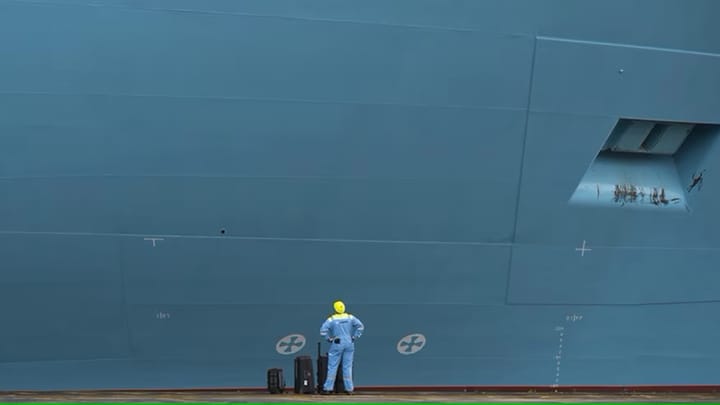
Reports indicate that A.P. Moller-Maersk is exploring the construction of container vessels with a capacity of 27,500 TEU. This potential move signifies a significant step in the ongoing 'size war' within the container shipping sector, where Maersk was once a dominant force in pioneering larger vessels. While they have been surpassed in recent years, this initiative suggests a strategic intent to regain a competitive edge through economies of scale.
For vessel operators, the implications of such a development are multifaceted. The deployment of ultra-large container vessels (ULCVs) necessitates careful consideration of port infrastructure, including draft restrictions, quay length, and crane capabilities. Operators must assess whether their regular trading routes and ports can accommodate these larger ships, which often require specific handling arrangements and can influence vessel scheduling and port turnaround times.
This trend also has a direct bearing on fleet management and chartering strategies. The economics of operating larger vessels are complex, involving higher capital expenditure and potentially lower per-TEU operating costs. Fleet managers will need to evaluate how these larger vessels fit into their existing networks and whether they can achieve optimal utilisation rates. The potential for increased cargo intake per vessel could also reshape trade lane dynamics and competition.
Specifically for operators trading to European, UK, Mediterranean, Turkish, Black Sea, or Middle Eastern ports, the arrival of 27,500 TEU vessels could exacerbate existing port congestion issues if infrastructure is not adequately prepared. While these ports are generally well-equipped, the sheer size of such vessels will test their capacity and efficiency. It may also lead to a further consolidation of services on major hubs, potentially impacting feeder services and regional connectivity. Operators should monitor port development plans and discussions around vessel size limitations in these key regions.