Maersk, MOL Advocate Multi-Fuel Strategy for Decarbonisation
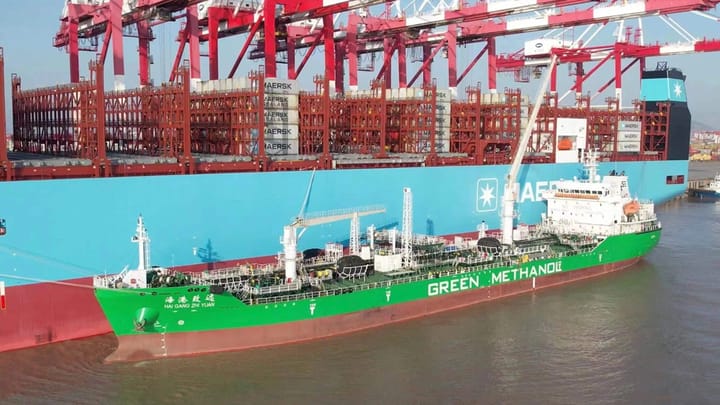
A recent Global Maritime Forum event underscored the complex landscape of decarbonisation efforts, with major stakeholders like Maersk and MOL emphasizing a diversified approach to achieving 2030 targets. The sentiment shared by these industry leaders is that a single solution will not suffice; instead, a combination of alternative fuels, technological advancements, and operational efficiencies will be crucial.
The mixed progress towards existing environmental goals suggests that the industry must remain agile and adaptable. For vessel operators, this translates into a need to plan for a future where multiple fuel types might be in use, requiring flexibility in vessel design, bunkering infrastructure, and crew training. The emphasis on 'diverse solutions' points towards a pragmatic acceptance that the transition will be gradual and multifaceted.
For operators trading within European, UK, Mediterranean, Turkish, Black Sea, or Middle Eastern ports, this strategic direction has immediate implications. These regions are at the forefront of implementing stricter environmental regulations, including the EU Emissions Trading System (ETS) and upcoming FuelEU Maritime. The push for multi-fuel capability aligns with the anticipated regulatory landscape, where vessels might need to adapt to varying fuel availability and compliance requirements across different jurisdictions. Planning for retrofits or newbuilds that can accommodate fuels like methanol, ammonia, or advanced biofuels, alongside existing options, will be essential for maintaining market access and avoiding penalties.
A practical takeaway for technical superintendents and fleet managers is to initiate thorough assessments of their current fleets' adaptability. This includes evaluating the potential for retrofitting existing vessels to handle alternative fuels and understanding the long-term operational and economic implications of each fuel pathway. Proactive engagement with fuel suppliers and classification societies will be vital in navigating this evolving fuel landscape.