Maersk Adjusts Europe-West Africa Service Network from October 2026
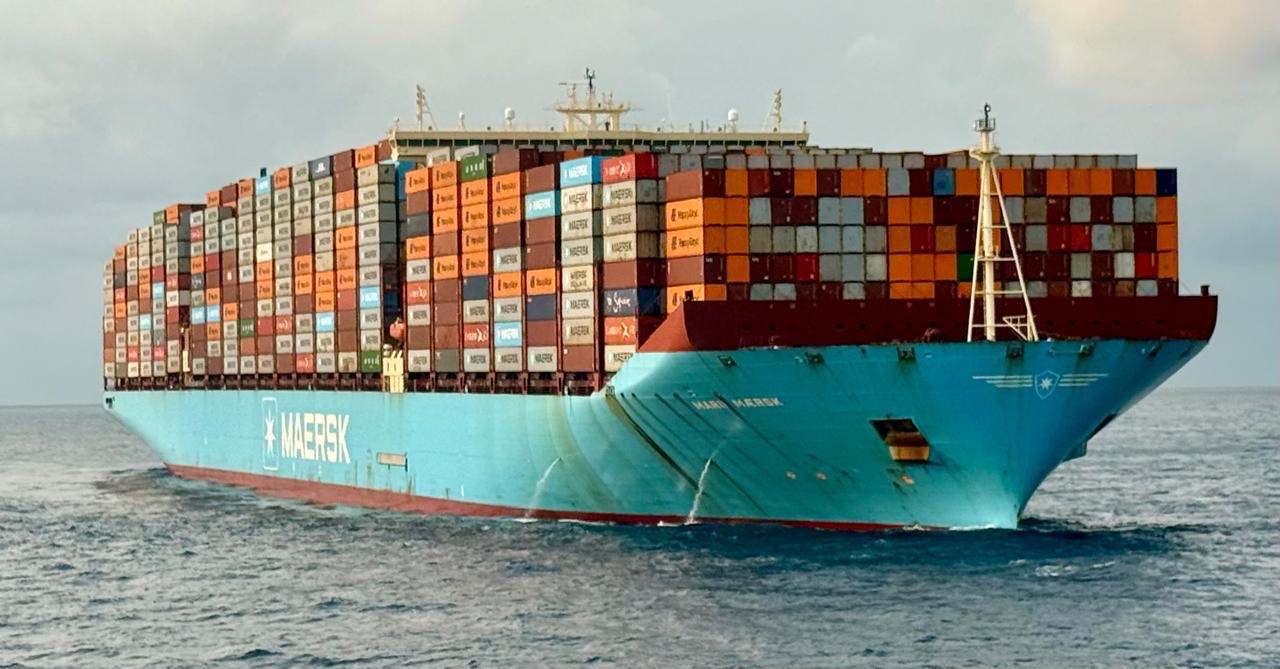
Maersk is set to implement a substantial overhaul of its Europe-West Africa service network, with changes scheduled to take effect from October 2026. The primary objective behind this restructuring is to enhance connectivity and improve schedule reliability for its clients operating on these routes.
The revised network will see the introduction of new coverage points, specifically mentioning Port Said, Lomé, and Pointe-Noire. This expansion suggests a strategic move to tap into or better serve these key locations within the West and Central African trade lanes. Furthermore, the carrier is reorganising its connections through major hubs in West and Central Africa, indicating a potential shift in operational flow and inter-terminal transfers.
For vessel operators, this means a need to re-evaluate existing voyage planning and feeder arrangements. Changes in port rotations, even if affecting a specific carrier's services, can have ripple effects on overall port congestion, feeder scheduling, and the availability of onward transport. Understanding the new service rotations, such as the WAF 2 rotation involving Algeciras, Tangier, and Dakar, is crucial for accurate transit time estimations and cargo planning.
Operators trading to European, UK, Mediterranean, Turkish, Black Sea, or Middle Eastern ports will need to monitor how these changes affect transhipment volumes and schedules at common hub ports. Any rerouting or increased calls at specific hubs could lead to altered vessel waiting times or changes in the efficiency of cargo transfers, potentially impacting overall supply chain fluidity for goods moving between these regions and West Africa.
A practical takeaway for fleet managers and technical superintendents is the necessity of updating route planning software and operational manuals well in advance of the October 2026 deadline. Proactive communication with charterers and cargo owners regarding potential schedule adjustments or new port calls will be vital to maintain service expectations and avoid operational disruptions.