Maersk Temporarily Suspends Durban Cato Ridge Drop-Off Fee Due to Congestion
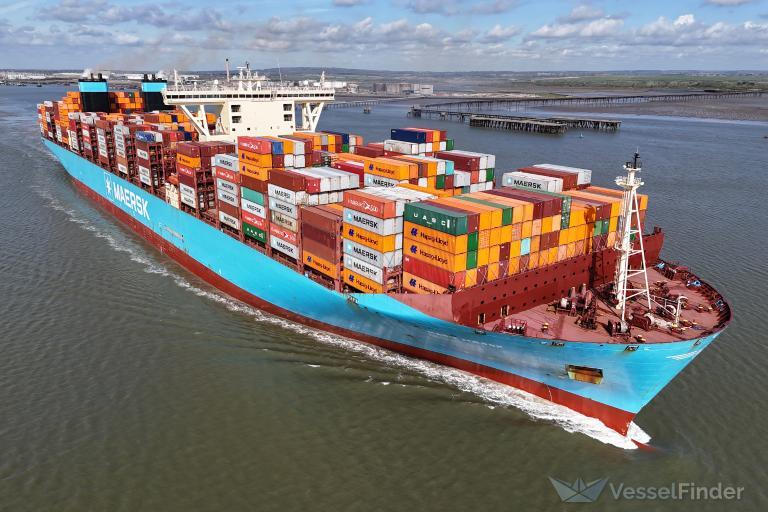
Maersk has announced the temporary suspension of its Durban Cato Ridge Drop-Off Fee, effective September 11, 2026. This measure is a direct response to significant congestion and ongoing supply chain disruptions within the local depot network.
The shipping giant cited increased depot utilisation and a reduction in available storage capacity as the primary drivers for this decision. The suspension means that the drop-off rates have been reduced to zero until further notice, aiming to alleviate pressure on the terminal and improve cargo flow.
Impact on Vessel Operators
For vessel operators, particularly those trading to South African ports or transhipping cargo via Durban, this development highlights the fragility of logistics chains when faced with operational bottlenecks. While the immediate effect is a reduction in a specific fee, the underlying cause – severe congestion – can lead to cascading delays. Vessels may experience extended waiting times for cargo discharge and loading, impacting schedules and potentially incurring additional operational costs beyond the suspended fee. This situation underscores the importance of robust contingency planning and close monitoring of port conditions.
Regional Implications
While this specific event is centred in Durban, the underlying issues of port congestion and supply chain strain are not unique. Operators trading to European, UK, Mediterranean, Turkish, Black Sea, or Middle Eastern ports should remain vigilant. Similar disruptions, though perhaps manifesting differently, can arise from labour disputes, infrastructure limitations, or unexpected surges in trade volumes. The Maersk announcement serves as a reminder that port efficiency is a critical factor in global maritime trade, and disruptions in one region can have ripple effects, influencing vessel routing and operational planning across broader trade lanes.
Practical Takeaway
Operators should proactively communicate with their agents and port authorities to gain real-time insights into congestion levels and potential disruptions at their planned ports of call. Maintaining flexibility in scheduling and considering alternative routing or discharge options where feasible can mitigate the impact of such events.