Maritime Tech Scalability Concerns Highlighted at Singapore Forum
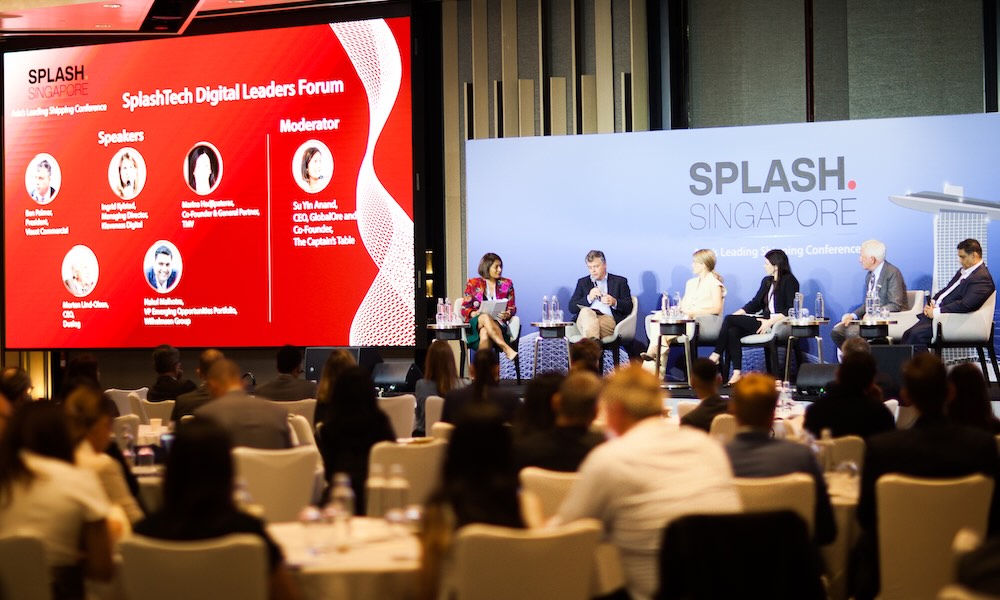
A recent digital leaders forum in Singapore, SplashTech, brought to the forefront a critical challenge facing the maritime technology sector: scalability. While investment and innovation are reportedly on the rise, a recurring theme was the difficulty many tech companies face in growing into substantial, independent entities. Instead, the sector often appears to be developing solutions that are ultimately attractive for acquisition by larger players.
This discussion is pertinent for vessel operators as it impacts the long-term viability and support of the technologies they adopt. If a technology provider's business model is primarily geared towards an exit rather than sustained growth and ongoing service, it can create uncertainty regarding future updates, maintenance, and customer support.
For operators trading within European, UK, Mediterranean, Turkish, Black Sea, and Middle Eastern waters, this concern is amplified. These regions are at the forefront of regulatory changes, particularly concerning decarbonisation and digitalisation. The adoption of new technologies is often driven by compliance requirements. A fragmented market of acquisition-focused tech firms could lead to inconsistent implementation and support for critical operational systems, potentially increasing the risk of non-compliance or operational disruptions during port state control inspections.
The Acquisition vs. Scale Dilemma
The core of the debate centred on whether the current ecosystem fosters genuine, long-term growth for maritime tech startups. The alternative – building companies primarily as acquisition targets – suggests a potential lack of sustainable business models capable of independent expansion and market leadership. This can leave end-users reliant on technologies whose future development path is dictated by the acquiring entity's strategy.
A practical takeaway for vessel operators is to scrutinise the long-term vision and financial stability of technology providers, beyond the initial sales pitch. Understanding a company's strategy for sustained growth and customer support, rather than solely focusing on immediate functionality, can mitigate future risks associated with technological obsolescence or service discontinuity.