Middle East Logistics Face Ongoing Disruption, Resilience is Key
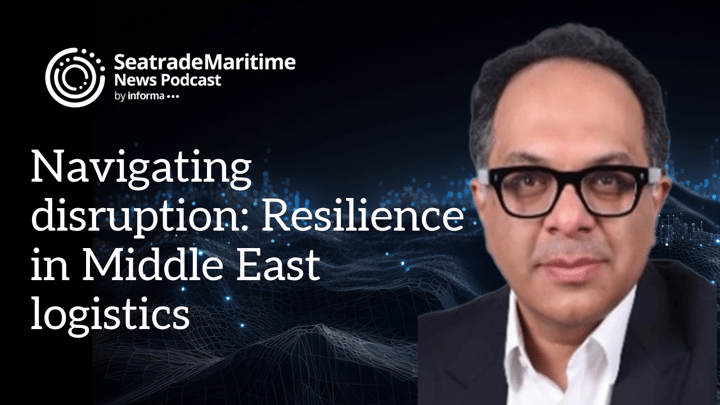
The past year has presented considerable challenges for logistics operations within the Middle East, with a consistent need for operators to demonstrate resilience in the face of ongoing disruption. This complex environment necessitates a proactive approach to managing unforeseen events that can impact vessel schedules, cargo movements, and overall operational efficiency.
The primary driver of this disruption stems from a confluence of geopolitical factors and evolving trade dynamics within the region. These elements create an unpredictable operational landscape, requiring fleet managers and technical superintendents to constantly adapt their strategies. For vessel operators, this translates into increased planning complexity, potential for extended port stays, and the need for robust contingency measures to mitigate delays and cost overruns.
Impact on Vessel Operations
Understanding the root causes of disruption is crucial. Whether it's regional instability affecting key shipping lanes, sudden shifts in demand, or infrastructure challenges, the impact on vessel operations can be substantial. This includes potential delays in cargo loading and discharge, rerouting requirements, and increased operational costs associated with altered voyage plans. The ability to maintain operational continuity under such pressures is paramount to maintaining client trust and financial viability.
For operators trading to European, UK, Mediterranean, Turkish, Black Sea, or Middle Eastern ports, the interconnectedness of global supply chains means that disruptions in one region can have ripple effects. Maintaining flexibility in routing, cargo handling, and communication protocols is essential. Port agents and fleet managers must maintain close communication to navigate these challenges effectively, ensuring compliance with local regulations and minimising potential delays.
Practical Takeaway
Developing and regularly reviewing comprehensive risk management and contingency plans is no longer optional but a necessity. This includes identifying potential disruption scenarios, pre-defining alternative operational procedures, and establishing clear communication channels with all stakeholders. "Managing disruption [is] key to success" in this dynamic environment.