MSC's Global Car Carriers Expands LNG Dual-Fuel PCTC Orderbook to 20 Vessels
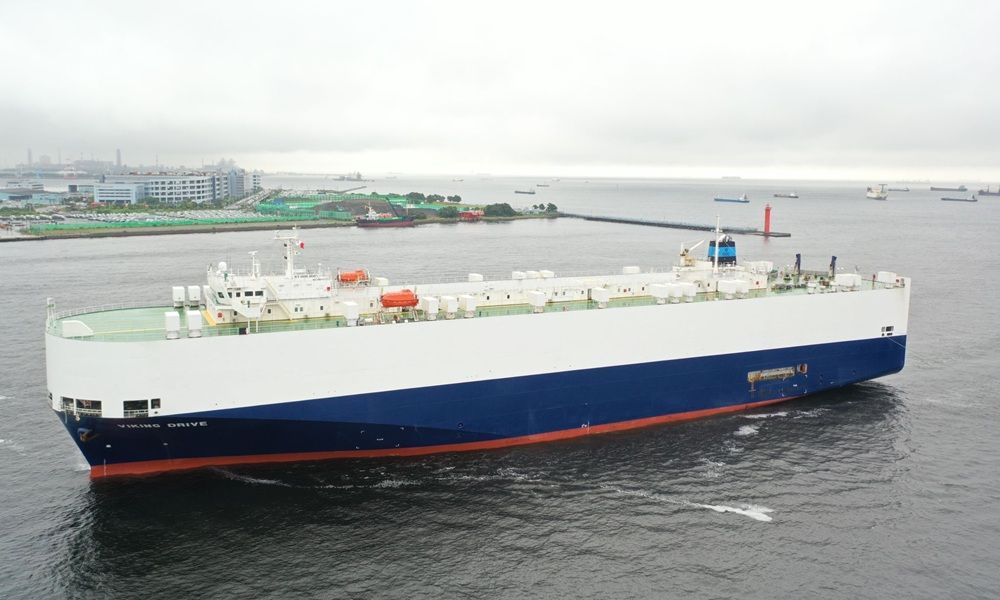
MSC-controlled Global Car Carriers (GCC) has further bolstered its fleet expansion by placing orders for an additional eight large, LNG dual-fuelled Pure Car and Truck Carriers (PCTCs). This latest commitment brings GCC's total newbuilding programme to 20 vessels, representing a substantial investment exceeding $2 billion.
The new orders are distributed across three Chinese shipyards: four 8,600 car-equivalent unit (ceu) PCTCs at China Merchants’ Weihai yard, two at Guangzhou Shipyard International, and another two at Fujian Mawei Shipbuilding. These additions underscore a clear strategic direction towards cleaner propulsion technologies within the car carrier segment.
Strategic Implications for Operators
This significant expansion in LNG-powered PCTCs highlights a growing trend in the specialised Ro-Ro market. For vessel operators, particularly those managing fleets trading in or around European waters, the increasing prevalence of LNG-fuelled vessels signals a potential shift in bunkering infrastructure availability and operational considerations. As more LNG-powered ships enter service, ports are likely to enhance their LNG bunkering capabilities. This also implies a growing demand for crew familiar with LNG handling procedures and safety protocols, which may influence crewing strategies and training requirements.
Furthermore, the substantial orderbook suggests a long-term commitment to this vessel type and propulsion technology by a major player. This could influence charter market dynamics and the availability of traditional fuel vessels in the future. Operators should monitor the deployment of these new vessels and the associated bunkering developments in key trading regions.
Practical Takeaway
For technical superintendents and fleet managers, the expanding LNG PCTC fleet necessitates a proactive approach to understanding LNG bunkering logistics and crew training for dual-fuel operations. Staying abreast of evolving LNG supply chains in major European and Middle Eastern ports will be crucial for efficient voyage planning and operational continuity.