Russia's Murmansk Port to Use Fertilizer Equipment for Grain Exports
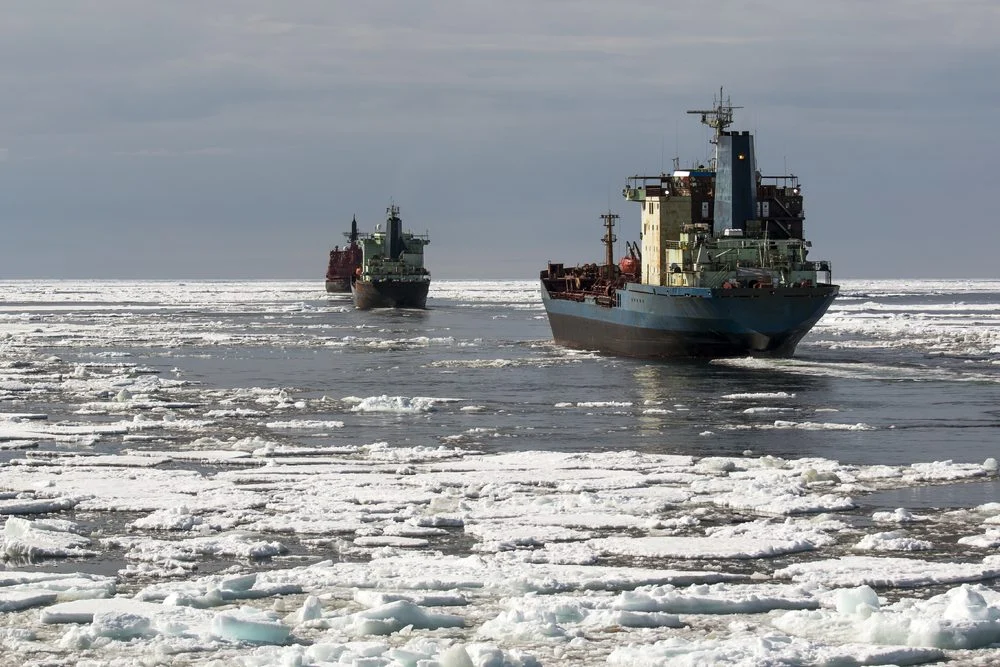
Russia's Arctic port of Murmansk is preparing to commence grain exports from southern regions as early as next month. This development is a direct response to the ongoing disruptions impacting the traditional Black Sea export routes, attributed to Ukrainian drone activity. Notably, the port will leverage equipment typically employed for handling fertilizer shipments to manage the grain cargo.
For vessel operators, this signifies a potential shift in logistical pathways and an adaptation to geopolitical challenges affecting key trade corridors. The use of repurposed equipment raises practical considerations regarding cargo handling efficiency, potential contamination risks, and the specific operational requirements for grain versus fertilizer. Fleet managers and technical superintendents should be aware of the potential for varied loading procedures and the need for thorough pre-loading checks.
Specifically for operators trading to European, UK, Mediterranean, Turkish, Black Sea, or Middle Eastern ports, this development could lead to increased vessel traffic in alternative Arctic routes. While Murmansk is geographically distant from these primary trading zones, any significant diversion of Russian grain exports via this route could subtly influence global supply chains and freight rates. Furthermore, the operational complexities introduced by using non-specialised equipment might necessitate closer scrutiny of vessel readiness and cargo integrity by port authorities in destination countries.
This initiative underscores the resilience of supply chains in the face of conflict, albeit with potential trade-offs in efficiency and specialised handling. It highlights the importance of flexible planning and the ability to adapt to evolving geopolitical landscapes that impact maritime trade.