Panama Canal Eases Transit Restrictions Following Improved Rainfall
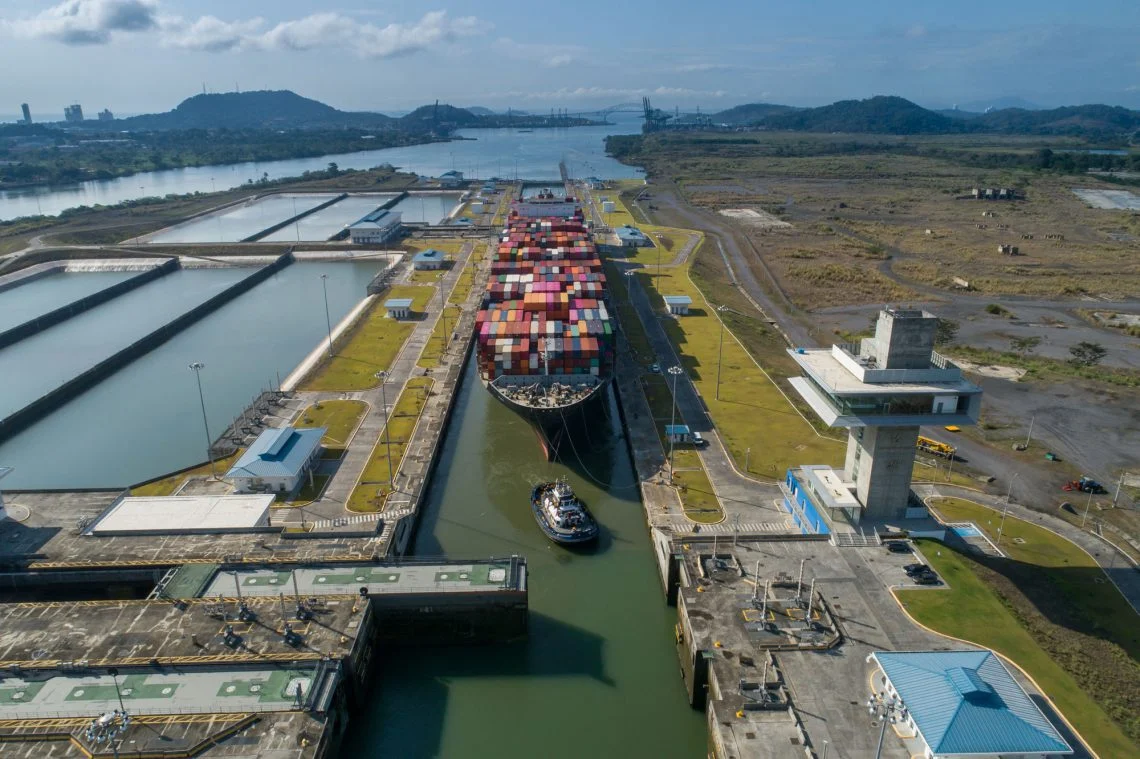
The Panama Canal Authority (ACP) has announced an increase in both vessel draft allowances and the number of daily transits. This easing of restrictions follows a period of improved rainfall and the successful implementation of water-saving measures, which have helped to stabilize water levels in the Gatun Lake watershed. The ACP has been managing the canal's operations under significant constraints due to a prolonged drought, impacting the draft limitations for vessels transiting the waterway.
For vessel operators, this development signifies a potential return to more predictable transit schedules and a reduction in the operational disruptions and increased costs associated with the previous draft limitations. Vessels will be able to carry more cargo, improving the economic efficiency of voyages. The increased number of daily transits will also help to alleviate the backlog of vessels that may have accumulated.
While the primary impact is on trans-Pacific and trans-Atlantic routes that utilize the canal, operators trading to European, UK, Mediterranean, Turkish, Black Sea, or Middle Eastern ports should note the broader implications for global supply chains. Improved efficiency and reduced transit times through the Panama Canal can lead to better vessel availability and potentially influence charter rates and voyage planning for services that connect these regions with the Americas. Furthermore, a more stable global shipping network benefits all participants by reducing uncertainty.
A practical takeaway for fleet managers is to closely monitor the ACP's official announcements regarding future adjustments to transit conditions. While the current situation has improved, the watershed remains sensitive to climatic variations. Proactive planning based on updated advisories will be crucial to optimise voyage execution and avoid unexpected delays or changes in operational parameters.