New Panama Canal Administrator Focuses on Water and Expansion
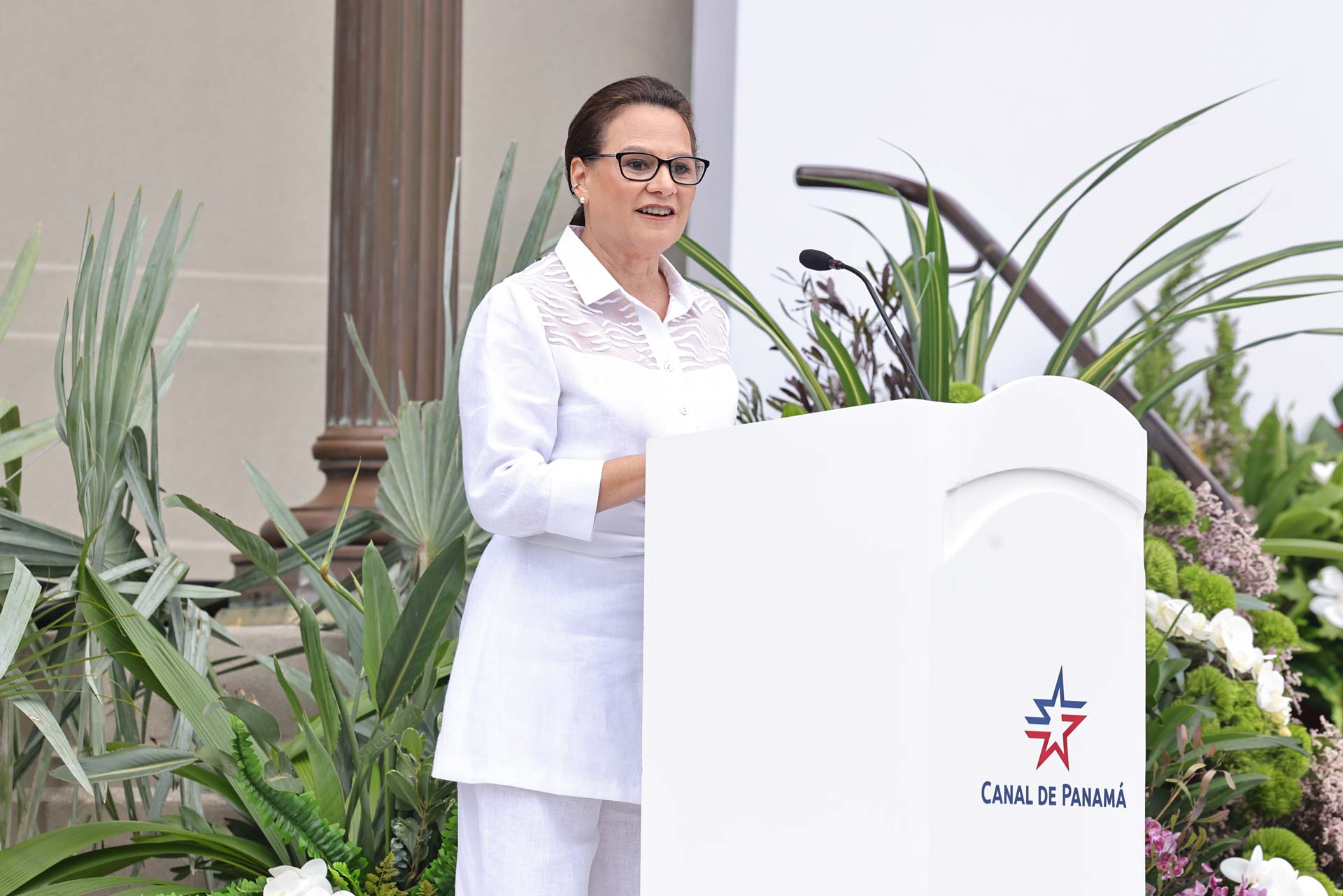
Ilya Espino de Marotta has assumed the role of Administrator of the Panama Canal, marking a significant appointment as the first woman to lead the vital waterway. Her tenure begins amidst ongoing challenges related to water availability, a critical factor for canal operations, and the continued progression of substantial expansion initiatives aimed at enhancing logistics and energy capabilities.
For vessel operators, particularly those transiting the canal, this leadership change brings a renewed focus on operational continuity. The Panama Canal Authority (ACP) has previously highlighted concerns about fluctuating water levels, which can impact transit capacity and scheduling. The new administrator's background, with over four decades of experience at the canal, suggests a deep understanding of these operational intricacies. The ongoing expansion projects, while promising increased capacity and efficiency in the long term, may also introduce temporary disruptions or require adjustments to vessel transit procedures during their implementation phases.
Operators trading to European, UK, Mediterranean, Turkish, Black Sea, or Middle Eastern ports may experience indirect impacts. While the Panama Canal is geographically distant, its role as a global trade artery means any significant operational changes or delays can ripple through international shipping networks. Increased transit times or potential capacity limitations could affect global supply chains, influencing vessel deployment and charter rates for services that rely on efficient transits between the Atlantic and Pacific oceans. Furthermore, the canal's expansion into energy businesses could signal future shifts in global energy logistics that might eventually influence regional bunkering or fuel supply dynamics.
A key takeaway for fleet managers and technical superintendents is the importance of staying abreast of official ACP communications regarding water levels and any operational adjustments. Proactive planning for potential transit delays or route diversions should be integrated into voyage planning, especially for vessels with tight schedules or time-sensitive cargo. Understanding the ACP's strategic priorities under the new leadership will be crucial for anticipating future operational parameters.