Ports' Financial Health Tied to Cargo Flow Efficiency, Not Just Volume
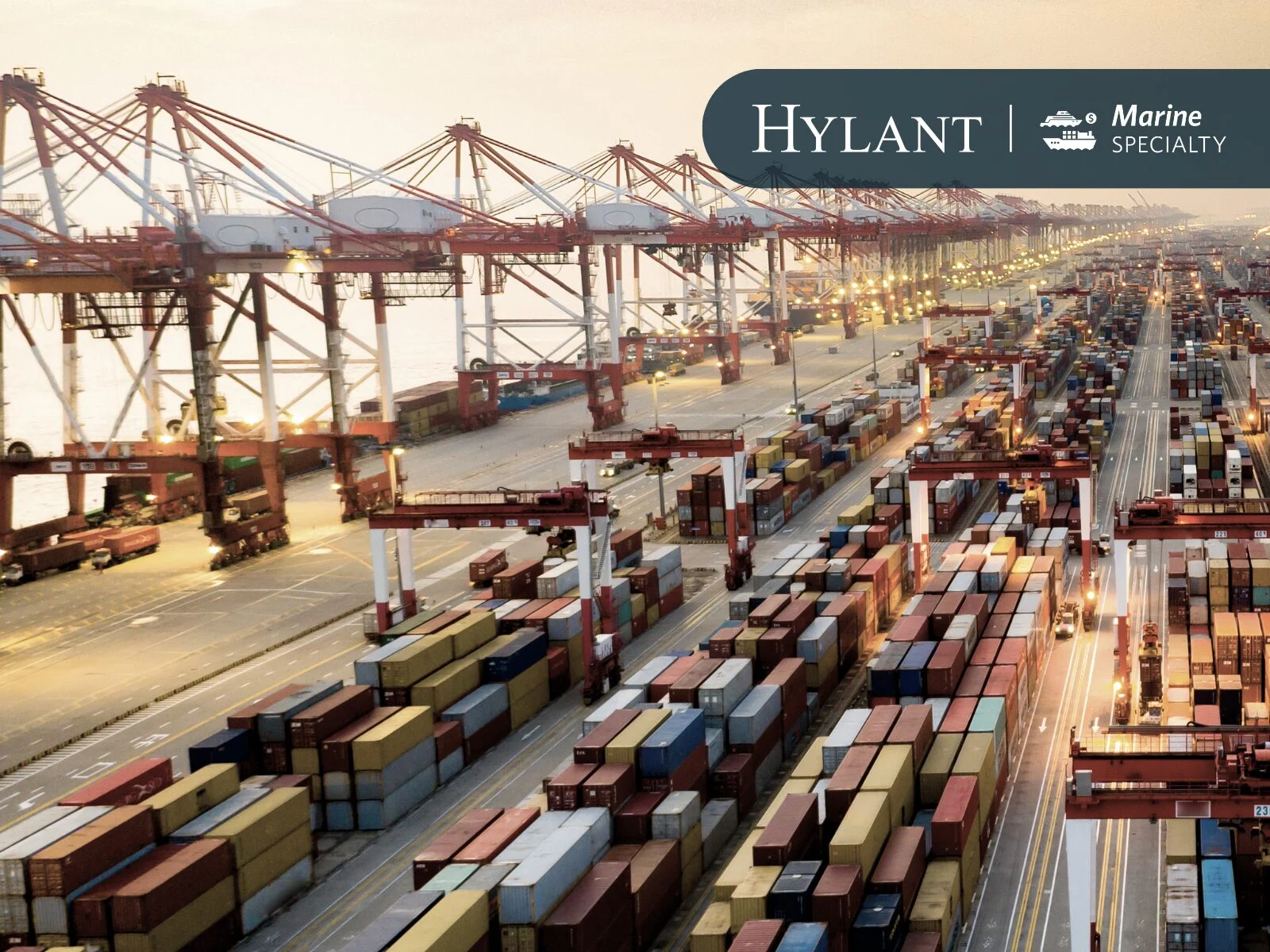
A recent analysis highlights a critical shift in how ports should assess their financial health. Traditionally, metrics like cargo volume, vessel calls, and crane productivity have been the primary indicators of success. However, the article argues that these measures are insufficient on their own. The real financial risk for ports, and by extension, for vessel operators, lies in the efficiency of cargo flow.
Inefficient cargo flow can manifest in various ways, including extended vessel waiting times, delays in cargo handling, and bottlenecks in hinterland connections. These issues directly impact a vessel operator's bottom line through increased demurrage costs, missed schedules, and potential penalties under charter parties. Furthermore, operational disruptions at one port can have cascading effects on global supply chains, leading to unpredictable voyage costs and reduced fleet utilisation.
For operators trading to European, UK, Mediterranean, Turkish, Black Sea, or Middle Eastern ports, this perspective is particularly relevant. These regions often experience high traffic density and are susceptible to congestion, labour disputes, and varying levels of infrastructure efficiency. A port's ability to manage and expedite the movement of cargo, rather than simply processing high volumes, becomes a key determinant of its reliability and the associated costs for visiting vessels.
The Operator's Perspective
From a vessel operator's viewpoint, understanding a port's true performance extends beyond published statistics. It requires an awareness of how effectively cargo moves from ship to shore and then inland, and vice versa. Delays, even if not directly attributable to a vessel's own operations, translate into financial losses. The article suggests that ports need to adopt a more holistic view of their operations, focusing on the entire logistics chain to mitigate financial risks.
Practical Takeaway
Operators should increasingly scrutinise port performance data, looking beyond simple throughput figures to assess actual cargo dwell times and hinterland connectivity. This deeper analysis can inform voyage planning and chartering decisions, helping to avoid ports that may appear busy but are operationally inefficient, thereby safeguarding profitability.