Portugal Reports Record Cocaine Seizures in 2026, Exceeding 2025 Totals
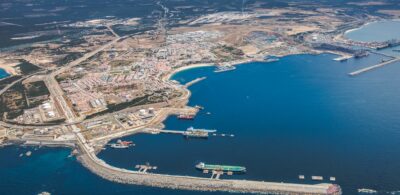
Portugal has experienced a significant surge in cocaine interdictions, with approximately 28 tonnes seized by early August 2026. This figure already surpasses the total of around 25 tonnes intercepted throughout the entirety of 2025, according to official statements. The increased volume of seizures suggests a heightened level of illicit drug trafficking activity targeting maritime routes that pass along Portugal's Atlantic coast.
For vessel operators, this trend underscores a growing risk profile. The sheer quantity of drugs being intercepted points to sophisticated trafficking networks that may increasingly utilise commercial shipping as a means of transport, either through concealment onboard vessels or via transhipment operations. This necessitates heightened vigilance and robust security protocols to prevent vessels from becoming unwitting carriers or targets.
This situation has direct implications for vessels trading within or transiting the European maritime domain, including the Mediterranean, Black Sea, and Middle Eastern waters. Increased enforcement activity and intelligence sharing among European port states and law enforcement agencies are likely to intensify. Operators calling at ports in these regions should anticipate potentially more thorough cargo and vessel inspections, as authorities aim to disrupt these trafficking routes. Enhanced due diligence on cargo, crew awareness training regarding suspicious activities, and strict adherence to vessel security plans become paramount.
A practical takeaway for fleet managers and technical superintendents is the imperative to review and reinforce onboard security procedures. This includes ensuring all access points are secured, conducting regular internal searches of cargo spaces and accommodation areas, and maintaining clear communication channels for reporting any unusual findings or suspicious approaches. The focus should be on proactive measures to deter and detect illicit cargo, thereby mitigating the risk of detention, legal repercussions, and reputational damage.